Filters
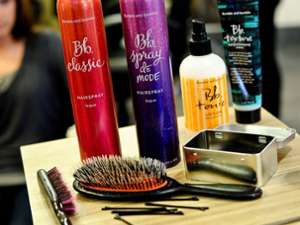
Hair Creations
Saratoga Springs, NY
Hair Creations in Saratoga Springs, NY is a woman-owned, boutique salon located in the heart of downtown. Their areas of expertise... [+More]
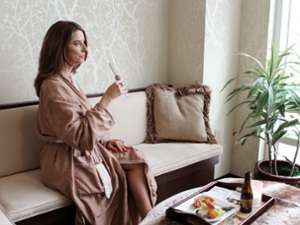
Complexions Spa for Beauty & Wellness
Saratoga Springs, NY
Complexions Spa is your sanctuary for total beauty and wellness. We offer a harmonious blend of luxurious spa therapies and advanc... [+More]
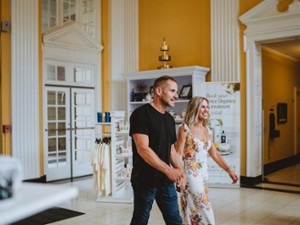
Roosevelt Baths & Spa at The Gideon Putnam
Saratoga Springs, NY
At the historic Roosevelt Baths & Spa, you’ll find a serene, elegantly appointed oasis with 42 original treatment rooms. You’ll no... [+More]
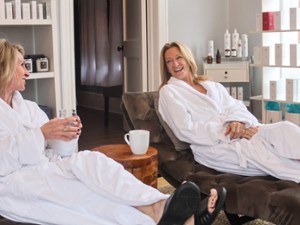
Spa Cascada
Saratoga Springs, NY
Located in downtown Saratoga, Spa Cascada is a luxurious day spa offering facials, massage, body treatments, laser services, and a... [+More]
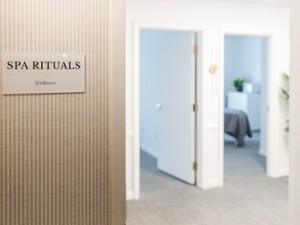
Spa Rituals Wellness
Saratoga Springs, NY
Spa Rituals Wellness in Saratoga Springs offers a tranquil oasis for relaxation and rejuvenation. Enjoy personalized treatments, i... [+More]
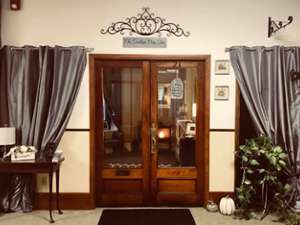
The Saratoga Day Spa
Saratoga Springs, NY
Nestled in the historic Arcade Building at 376 Broadway, The Saratoga Day Spa is more than just a spa- it's a sanctuary of healing... [+More]
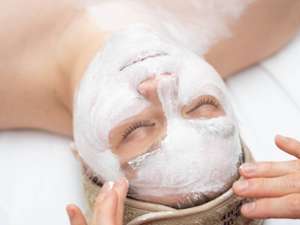
Skin By ASK
Saratoga Springs, NY
Are you ready to look and feel your best? Give your skin the treatment it deserves at Skin By ASK, a luxury skincare spa located i... [+More]
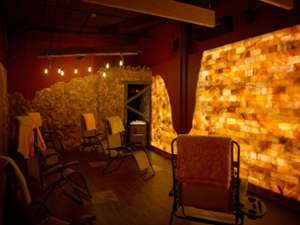
Adirondack Salt Cave
Glens Falls, NY
Located in downtown Glens Falls, Adirondack Salt Cave is a holistic healing arts center that features a man-made Himalayan salt en... [+More]
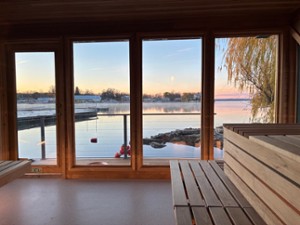
KOS Sauna
Saratoga Springs, NY
KOS Sauna is a year-round, floating public sauna on Saratoga Lake in Saratoga Springs, NY, offering social sauna sessions, private... [+More]
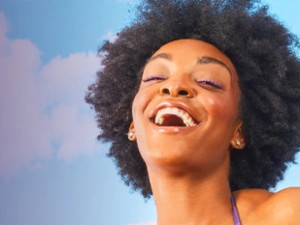
European Wax Center
Saratoga Springs, NY
At European Wax Center, they are in the business of revealing gorgeous skin. Their revolutionary hard wax and the 4-step process w... [+More]
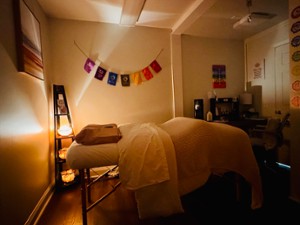
Saratoga Reiki Room
Saratoga Springs, NY
Saratoga Reiki Room is located in the heart of the Spa City, at 188 Lake Ave. Stacey Doltz, owner/Reiki Master, offers sessions de... [+More]
Chair Massage Associates
Saratoga Springs, NY
Simple Bliss Day Spa
Saratoga Springs, NY
NUANCE a boutique salon
Malta, NY
Lashes Over Saratoga
Saratoga Springs, NY
Remarkable Finish Hair Salon
Saratoga Springs, NY
Steven Yarinsky, MD; Saratoga Springs Plastic Surgery, PC; Saratoga Springs Medical Spa
Saratoga Springs, NY
Dr. Yarinsky and his staff at Saratoga Springs Plastic Surgery, PC and at the Saratoga Medical Spa believe the exceptional care th... [+More]
Saratoga Sports Massage
Saratoga Springs, NY
One Roof Saratoga, A Holistic Health Center
Saratoga Springs, NY
We are some of the most experienced and established holistic practitioners in the area, all with track records of success in helpi... [+More]
European Day Spa
Milton, NY
Tropical Tann
Saratoga Springs, NY
Fusion, The Salon, LLC.
Saratoga Springs, NY
We are a full service salon - offering hair, makeup( Smashbox and Kevyn Aucoin), Skincare, Waxing and Body care. Located in the h... [+More]
Hard Balance Bodyworks
Saratoga Springs, NY
Classical Concepts Salon & Spa, LLC
Saratoga Springs, NY
Radiance Skincare by Rebecca
Saratoga Springs, NY
Welcome! Radiance Skincare offers facials, body treatments and waxing by licensed esthetician Rebecca Gray. Conveniently located i... [+More]
Merle Norman Cosmetics
Saratoga Springs, NY
Merle Norman Cosmetics offers a vast assortment of skin care and cosmetic products that are sold via independently-owned studios.... [+More]
Did we miss one? Did one of these places close? Send us a note!