By Amy Stock, Contributing Writer
Photos by David DeLozier
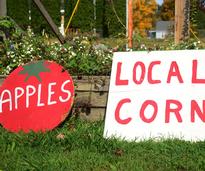
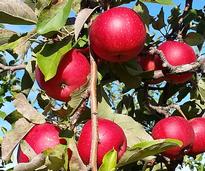
As an individual, one of the simplest and perhaps most gratifying steps you can take to 'go green' is to buy local grown produce and locally made products. Fortunately in the Capital Region we have plenty of options to access local produce and products, including shopping at local farmer's markets, joining a CSA (Community supported agriculture), buying fresh produce from a local farm stand, or shopping at one of the many locally owned grocers.
Why buy local?
Buying local reduces long distance transport, significantly decreasing fuel emissions; supports a more sustainable local economy by keeping money in the hands of local merchandisers and farmers; and cultivates a greater sense of community and security by getting to know your local farmer, grocer or vendor.
Many whole foods or health food stores in the capital district are committed to buying and selling local products whenever possible. Additionally, these same stores are locally owned, providing a host of other benefits.
Supporting local farmers and the local economy
Simply put, buying local produce and products supports the local economy. During these challenging economic times, creating a strong and vibrant local economy is critical, and more sustainable over the long term.
Margaret Jones, owner of Green Pea Market in Greenwich commented, "I think keeping the money here in the village is really important. I try and sell as many local products as I can."
Washington County, where Green Pea Market is located, has an abundance of local farmers and producers of other artisan products.

Green Pea Market carries many local products including locally grown vegetables when in season, milk from Battenkill Valley Farm, maple syrup, meats and a variety of locally made cheese.
Jill Lyon, owner of Wild Thyme Whole Foods and Tea Co. in Ballston Spa added, "People are starting to understand they have spending power." According to Lyon, many people realize they can choose when and where to spend their dollar - and many see the importance of keeping their dollars locally.
Wild Thyme also carries many locally made products and local produce when in season. They have a special veggie box program where they buy all the leftover produce from the local farmers market. Each week this produce, along with any other produce in the store, is listed on their website and customers can purchase a 'box' of five items for $15. According to Lyon, this is the 5th year for the program and so far it's been successful.

According to Katie Centanni, Front End Manager of the Honest Weight Food Coop in Albany, "People are becoming much more enlightened to how important it is to support local producers. People are becoming more aware, going to farmer's markets, shopping at the coop." She added, "Many people have realized they have no idea where their food is coming from. It's become really valuable to know where your food is coming from."
She noted as part of their customer service they will send customers to other small local businesses if they don't have the product for which they are looking.
Local grocers also contribute to the local economy as a source for employment.
The Honest Weight Food Coop has a significant number of employees, with 65-70 paid staff and over 900 working members. A member-owned and operated coop in operation for 32 years, paid staff receive health, dental and vision, plus discounts on purchases.
According to Bjorn Loftfield, co-owner of Moorfield Green Grocer, "we pay our employees a living wage, and therefore, have very low turnover." He added that most of his employees are well educated and work at the store because they have a passion for sharing their knowledge and interest in health and whole foods.

Fresh, high quality local products
The hallmark of a local health food store is its emphasis on selling fresh, high quality organic produce, especially locally grown.
According to Centanni, most of their customers recognize local produce is generally fresher and better tasting that what is sometimes found at chain super markets. "They can see that greater care has gone into the product."
Most local grocers try to offer local organic produce whenever possible. However, for many small farmers the cost of the organic certification process is prohibitive. In these cases, local grocers like Jill Lyons, owner of Wild Thyme Whole Food and Tea Co in Ballston Spa, understand the importance of still supporting these farms, "A majority of our produce is organic, and all is pesticide free. But, we also buy from small local farms that have no pesticides but can't go organic due to the cost."
Grocers like Lyons purchase as much local produce as she can. In the off-season, or for products which simply won't grow in our climate, like bananas, they do purchase produce from Albert's Organics, a northeast regional organic food distribution company. Fortunately, much of the produce Albert's offers come from growers in Vermont, Massachusetts and New Hampshire.
Green Grocer in Clifton Park also buys local, said owner Bjorn Loftfield, "We get as much local produce as we can."
Loftfield shared the success story of Meadowbrook Farm, a local dairy farm outside of Albany whose milk they carry. "They are a small family dairy that stuck with the older way of dairy farming, still selling their milk in glass bottles and making deliveries. They have been able to make a living on the quality of their product and reliability."
Most local grocers carry Meadowbrook Farm milk, evident of their success and quality product.
Unique products, specialty service & sense of community
Much of the popularity and success of local health food stores stems from the unique products they offer as well as individualized customer service.
Rich Frank, owner of Four Seasons health food store in Saratoga Springs emphasized the value customers place on specialized individual attention, "We research and try to bring in products we feel good about, like our vitamins." He added, "People appreciate the level of discernment we give to our products."
Bjorn Loftfield shares a similar philosophy, "As a small business we try to be responsive to what people are looking for."
Jill Lyons added, "We offer something the big box stores don't - extremely individualized attention." She continued, "Our customers see it and feel it. I know my customers and frequently see them elsewhere in the community. They are an extension of our personal family."
Four Season's customers keep returning for the same reason, added Frank, "Some people prefer to come to a small intimate store - where people are going to know you and remember you. It's harder to get that at a super market chain store."
For these local grocers - the quality of their products and service is what matters. Their emphasis on local produce and products and specialized customer service continues to generate strong customer loyalty and a sense of community. And, buying from these local grocers can help everyone get a little "greener."
Local Food Purveyors:
Honest Weight Food Co-op
484 Central Ave., Albany
482-2667
Green Grocer
1505 Route 9, Clifton Park
383-1613
Wild Thyme Whole Food and Tea Co.
108 Milton Ave (Rte 50), Ballston Spa
885-7275
Four Seasons Natural Foods and Café
33 Phila St., Saratoga Springs
584-4670
Green Pea Market
70 Main St., Greenwich
692-2103
The Village Store Co-op
25 East Main St., Cambridge
677-5731
Buying local reduces long distance transport, significantly decreasing fuel emissions; supports a more sustainable local economy by keeping money in the hands of local merchandisers and farmers; and cultivates a greater sense of community and security by getting to know your local farmer, grocer or vendor.
Many whole foods or health food stores in the capital district are committed to buying and selling local products whenever possible. Additionally, these same stores are locally owned, providing a host of other benefits.
Supporting local farmers and the local economy
Simply put, buying local produce and products supports the local economy. During these challenging economic times, creating a strong and vibrant local economy is critical, and more sustainable over the long term.
Margaret Jones, owner of Green Pea Market in Greenwich commented, "I think keeping the money here in the village is really important. I try and sell as many local products as I can."
Washington County, where Green Pea Market is located, has an abundance of local farmers and producers of other artisan products.

Green Pea Market carries many local products including locally grown vegetables when in season, milk from Battenkill Valley Farm, maple syrup, meats and a variety of locally made cheese.
Jill Lyon, owner of Wild Thyme Whole Foods and Tea Co. in Ballston Spa added, "People are starting to understand they have spending power." According to Lyon, many people realize they can choose when and where to spend their dollar - and many see the importance of keeping their dollars locally.
Wild Thyme also carries many locally made products and local produce when in season. They have a special veggie box program where they buy all the leftover produce from the local farmers market. Each week this produce, along with any other produce in the store, is listed on their website and customers can purchase a 'box' of five items for $15. According to Lyon, this is the 5th year for the program and so far it's been successful.

According to Katie Centanni, Front End Manager of the Honest Weight Food Coop in Albany, "People are becoming much more enlightened to how important it is to support local producers. People are becoming more aware, going to farmer's markets, shopping at the coop." She added, "Many people have realized they have no idea where their food is coming from. It's become really valuable to know where your food is coming from."
She noted as part of their customer service they will send customers to other small local businesses if they don't have the product for which they are looking.
Local grocers also contribute to the local economy as a source for employment.
The Honest Weight Food Coop has a significant number of employees, with 65-70 paid staff and over 900 working members. A member-owned and operated coop in operation for 32 years, paid staff receive health, dental and vision, plus discounts on purchases.
According to Bjorn Loftfield, co-owner of Moorfield Green Grocer, "we pay our employees a living wage, and therefore, have very low turnover." He added that most of his employees are well educated and work at the store because they have a passion for sharing their knowledge and interest in health and whole foods.

Fresh, high quality local products
The hallmark of a local health food store is its emphasis on selling fresh, high quality organic produce, especially locally grown.
According to Centanni, most of their customers recognize local produce is generally fresher and better tasting that what is sometimes found at chain super markets. "They can see that greater care has gone into the product."
Most local grocers try to offer local organic produce whenever possible. However, for many small farmers the cost of the organic certification process is prohibitive. In these cases, local grocers like Jill Lyons, owner of Wild Thyme Whole Food and Tea Co in Ballston Spa, understand the importance of still supporting these farms, "A majority of our produce is organic, and all is pesticide free. But, we also buy from small local farms that have no pesticides but can't go organic due to the cost."
Grocers like Lyons purchase as much local produce as she can. In the off-season, or for products which simply won't grow in our climate, like bananas, they do purchase produce from Albert's Organics, a northeast regional organic food distribution company. Fortunately, much of the produce Albert's offers come from growers in Vermont, Massachusetts and New Hampshire.
Green Grocer in Clifton Park also buys local, said owner Bjorn Loftfield, "We get as much local produce as we can."
Loftfield shared the success story of Meadowbrook Farm, a local dairy farm outside of Albany whose milk they carry. "They are a small family dairy that stuck with the older way of dairy farming, still selling their milk in glass bottles and making deliveries. They have been able to make a living on the quality of their product and reliability."
Most local grocers carry Meadowbrook Farm milk, evident of their success and quality product.
Unique products, specialty service & sense of community
Much of the popularity and success of local health food stores stems from the unique products they offer as well as individualized customer service.
Rich Frank, owner of Four Seasons health food store in Saratoga Springs emphasized the value customers place on specialized individual attention, "We research and try to bring in products we feel good about, like our vitamins." He added, "People appreciate the level of discernment we give to our products."
Bjorn Loftfield shares a similar philosophy, "As a small business we try to be responsive to what people are looking for."Jill Lyons added, "We offer something the big box stores don't - extremely individualized attention." She continued, "Our customers see it and feel it. I know my customers and frequently see them elsewhere in the community. They are an extension of our personal family."
Four Season's customers keep returning for the same reason, added Frank, "Some people prefer to come to a small intimate store - where people are going to know you and remember you. It's harder to get that at a super market chain store."
For these local grocers - the quality of their products and service is what matters. Their emphasis on local produce and products and specialized customer service continues to generate strong customer loyalty and a sense of community. And, buying from these local grocers can help everyone get a little "greener."
Local Food Purveyors:
Honest Weight Food Co-op
484 Central Ave., Albany
482-2667
Green Grocer
1505 Route 9, Clifton Park
383-1613
Wild Thyme Whole Food and Tea Co.
108 Milton Ave (Rte 50), Ballston Spa
885-7275
Four Seasons Natural Foods and Café
33 Phila St., Saratoga Springs
584-4670
Green Pea Market
70 Main St., Greenwich
692-2103
The Village Store Co-op
25 East Main St., Cambridge
677-5731


Leave a comment