Eco Local Guide

Food: May 2009 Archives

By Wendy Hobday Haugh

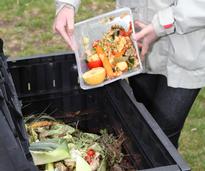
Imagine a restaurant that recycles its glass, cans, and paper products, uses biodegradable take-out containers, purchases all its green produce locally, composts every kitchen scrap imaginable, serves only fair-trade coffee and made-from-scratch, cooked-to-order food, uses no trans fats or chemical additives, delivers its customers' plate-waste to families with pet pigs, gives its leftover bread to folks raising chickens, changes its cooking oil frequently, and donates its discarded oil to a local man who processes it and uses it as fuel - to power to his car!

fiftysouth1.jpeg
Vegetables.jpgMary Beth McCue   RD, LDN, CDN
Integrative Nutritionist

There are many methods and opportunities to eat healthy while being penny-wise and "green" during this time of positive reflection on how we impact our environment, our pocketbooks, and our health.  

Convenient and instant foods are normally more expensive, always less nutritious and leave you feeling tired and lifeless.  Many have no whole foods and therefore natural nutrients; many contain non-food items. You will begin to be healthier, happier, more energetic, and more capable of living your life to your fullest potential by practicing the suggestions below.

By Drew Monthie of Ecologic Consulting


I have never been a fan of turf grass.  For starters I hate mowing and on top of that all 3 species of grasses used in lawns (Bluegrass, Rye and Fescue) are native to Europe.  They are cool-season grasses which means that they look their best when temperatures are cool and conditions moist. This is why your lawn looks nice in spring and fall, but not so hot in summer.  In their native habitat these grasses go dormant during the hot months of summer.  Here in North America to keep turf grass looking good when it's supposed to be resting we waste phenomenal amounts of water: 30 to 60% percent of residential water used outside is used on grass which amounts to more 7 billion gallons of water used per day for lawn irrigation.  To fertilize all of this grass and kill the pests common to the unhealthy practice of growing monocultures we use 3 million tons of fertilizers annually. Over 30 thousand tons of synthetic pesticides are used on lawns annually.  $2.2 billion (2002) or more is spent annually on pesticides for home and garden use.
The average homeowner per acre uses 10 times the amount of pesticides that farmers do (Nicholas School of the Environment at Duke University, 2008).  Many (if not all) non-organic fertilizers and pesticides are organo-phosphates or carbamates meaning they are made from petroleum further increasing our dependence on foreign oil.

Leave a Comment