Eco Local Guide

Recently in Going Green Category


A Benefit to Support 'Rebuilding Together Saratoga' & our Local Artists


SILENT AUCTION
SATURDAY February 6th
6:00 to 8:00pm

All unique pieces made with natural and recycled materials, created for the event.

- Discover a story behind each art piece
- Find a special Valentine's Day gift
- Support the local community

Hosted by Green Conscience Home and Garden
33 Church Street - Saratoga Springs - 518 306 5196
by Sophie Gillet Castro & Karen Totino


Time outdoors in the summer and the beauty of nature may inspire us to beautify our interior. It's a great time to bring into the home colors and textures that will sustain us in the months to come.

It might not be financially sensible however to re-decorate the entire house. So why not focus on wall treatments this summer?

By Drew Monthie of Ecologic Consulting


I have never been a fan of turf grass.  For starters I hate mowing and on top of that all 3 species of grasses used in lawns (Bluegrass, Rye and Fescue) are native to Europe.  They are cool-season grasses which means that they look their best when temperatures are cool and conditions moist. This is why your lawn looks nice in spring and fall, but not so hot in summer.  In their native habitat these grasses go dormant during the hot months of summer.  Here in North America to keep turf grass looking good when it's supposed to be resting we waste phenomenal amounts of water: 30 to 60% percent of residential water used outside is used on grass which amounts to more 7 billion gallons of water used per day for lawn irrigation.  To fertilize all of this grass and kill the pests common to the unhealthy practice of growing monocultures we use 3 million tons of fertilizers annually. Over 30 thousand tons of synthetic pesticides are used on lawns annually.  $2.2 billion (2002) or more is spent annually on pesticides for home and garden use.
The average homeowner per acre uses 10 times the amount of pesticides that farmers do (Nicholas School of the Environment at Duke University, 2008).  Many (if not all) non-organic fertilizers and pesticides are organo-phosphates or carbamates meaning they are made from petroleum further increasing our dependence on foreign oil.

by Vanessa Baird

vanessabaird1.jpg

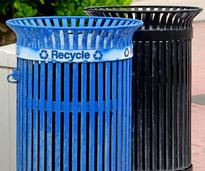
I know! I know! You're thinking that I'm crazy for saying that recycling is bad, I mean... people have been saying for years now that everyone needs to recycle, recycle, and recycle! But what if there was an alternative plan?


With the memory of gas prices at record highs just months ago and credit increasingly tight, many people are looking for a vehicle that won't break the bank at the showroom or at the pump. For nearly a million people in recent years, the only answer has been the Toyota Prius.  But before you go and join the ranks of the numerous Prius owners, ask yourself, "Do you like to drive?"
jetta at farm.JPG

Doug and Aimee Azaert's Sustainable Living at The Glen:

Wild Waters Outdoor Center and The Glen Lodge & Market

by Persis Granger


Doug Azaert grew up in Wilmington, North Carolina, and settled in the Adirondacks in 1982, teaching kayaking with some buddies. After a year or so, they realized that guiding rafters was more lucrative than teaching people how to paddle.

azerts at sign lr.JPG

Saratoga Healthy Transportation Network is sponsoring the "First Annual" Saratoga Bike To Work Day Challenge. Companies with offices/workplaces in Saratoga County are encouraged to form Bike To Work Teams for Bike to Work Day on Friday, May 15th 2009.

by Donna Pochaski of Vintage Chic Furniture

vc donna 1.JPG

I started painting distressed furniture "shabby chic style" first out of necessity. I pulled a piece of furniture off the curb that someone was throwing away. I just moved into a small and super cute old cottage style house and I realized I needed more furniture.  I found great candidate that somebody had left on the curb. I loaded into my vehicle, went to home depot, bought some paint, a brush, and some sandpaper and went to work. I chose white paint - I love white, and it's the cheapest paint to buy!  After priming and painting, I proceeded to sand the edges to give it that aged distressed look. I loved the way it came out.  Then it hit me - this is how I'm going to decorate my whole house!! The white finish was light and bright and I just loved it.

TSW-Wedding1.jpg
photo courtesy of Capture Light Photography, Ballston Spa

There are 2.5 million weddings a year in the United States, making up a $70 billion dollar industry. The impact on the environment from these celebrations is substantial and many couples are searching for environmentally friendly options. How can eco-conscious brides and grooms-to-be plan their special day without sacrificing style or the environment? Ecolocal publisher David DeLozier recently talked with Kate Harrison, author of "The Green Bride Guide," to get answers.

Leave a Comment