2026 Saratoga Race Course Guide: Horse Racing In Saratoga Springs, NY
Find all the info you need to visit the Saratoga Race Course in 2026, whether you're a first-time track goer looking for the basics, or a life-long veteran wondering what's new this year.

See the 40-day Saratoga racing calendar! View the stakes races and dark days for each of the summer meet's eight weeks.

Wondering how to buy tickets for the track? Click here to learn more about the different types of tickets and on-sale dates.


Giveaway Days are the perfect opportunity to get a free Saratoga keepsake item from the track with the purchase of admission.
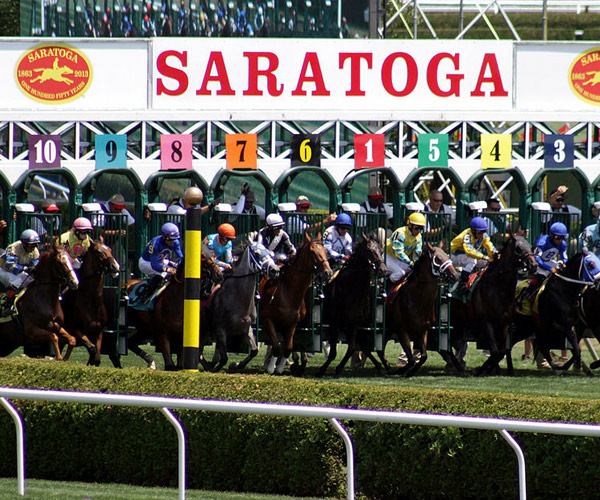
The Saratoga Race Track is one of Spa City's most popular hot spots. Get general info about the track and important dates for this year's meet.

Dress to impress! Learn what to wear and what NOT to wear, depending on where you will be watching the races at Saratoga Race Course.



Have questions about Saratoga Race Course? Find answers to many frequently asked questions about policies, events, jobs and more.

Breakfast is calling! In a typical summer, you can grab a bite to eat in the early morning hours at the Clubhouse as you watch the horses work out, then tour the grounds.








Not sure where to go after a day of watching the races? Whether you're looking for dinner, drinks, or dancing, there's a spot in Saratoga for you.
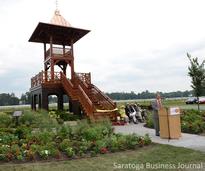
Watch horses train from the best seat in the house! Visit the Whitney Viewing Stand for a free bird's-eye view of morning training sessions.
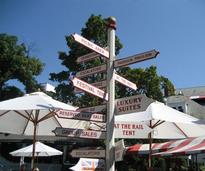
Get detailed directions to Saratoga Race Course and find helpful resources, whether you are arriving from near or far.