|
January 2012 Archives
Be sure to check out my informational blog on breast cancer:
One of the scariest diagnoses for a woman to receive is breast cancer.
As an integrative practitioner, the labels that are placed on people
serve as a guidepost which explains how their body has been led off the
track of optimal health. With the emergence of nutrigenomics, the healing power of food, functional diagnosis, and the Naturopathic philosophy of the body's own innate wisdom, there exists powerful, holistic tools that can provide the body with support when pathology seems to be winning. This is even true with cancer.
Dr. Mercola recently interviewed Dr. Horner, a board certified
plastic surgeon regarding the topic of breast cancer. Dr. Horner
discussed how her journey of treating breast cancer shifted from
conventional surgery to a more integrative focus. As Dr. Horner found
herself operating on younger and younger women, she made the realization
that environmental risk factors had to be at play. Below I highlight
some key points she discussed in this 90 minute interview: Read more.
1. Naturopathic
Philosophy Highlight... Fun Facts:
a.
The most important determination of health and
Longevity Revealed!
b.
Healthy Aging Foods
c.
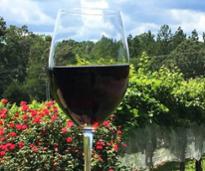
The Good and Bad of Wine and Breast Cancer
d.
Your Diet woos....Gluten Free, Dairy Free, &
Sugar Free. Yet, you still have symptoms!!?? Watch
this Video.
2. Happenings:
Upcoming Essential Oils Workshops with
Terry Quigley at the Healing Garden. Learn tidbits such as what is mentioned
below:
The Miracle of Onycha
by David Stewart, PhD, DNM
Onycha is an oil mentioned in the
Bible, Exodus 30:34, as an ingredient in the Holy Incense to be diffused in
temples of worship. Onycha oil (Styrax benzoin) is also a powerful antiseptic
and facilitator of rapid healing. It goes by several common names including
Friar's Balm and Javanese Frankincense. It is extracted from the resin of a
tree that grows in the Far East, specifically in Indonesia.
For more than 200 years, hospitals
have used an alcohol solution of this oil as their primary antiseptic.
Dissolved in ethyl alcohol, it is called Benzoin or Tincture of Benzoin. It is
the smell of this tincture that used to give hospitals their peculiar
"hospital smell."
Following World War II, hospitals
started to employ other antiseptics derived from petroleum that were less
expensive. They are now discovering that bacteria can become resistant to these
synthetic antiseptics, but do not become resistant to Tincture of Benzoin.
Hence, many of today's hospitals are returning to the natural antiseptic of
Benzoin realizing it is more effective and does not contribute toward the creation
of resistant strains of virulent pathogens.
Resistant strains of bacteria are a
major and growing problem in hospitals today resulting in thousands of deaths
every year. Even visitors to hospitals can pick up these pathogens, which can
be fatal. Even the most powerful antibiotics, such as vancomycin and
methycillin, do not kill these germs. The answer is to be found in natural
products such as essential oils.
Contact Terry at 518-831-9469 for more
information.
Next
Health Forum is February 9th at 6:15pm. Learn more.
PATIENTS: Please review follow ups and
cancellation policy on my website
Time for a symptom re-evaluation?
All patients can now download the
symptom survey done at the original visit online. If you
haven't re-evaluated your symptoms in a year or more, it may be a good time to
fill out the form again and bring it in to your next visit. (Please add the
numbers in every section when you return it)
3. Radio For
Your Body-Mind-Soul: Resonance with Joyce Whiteley
Hawkes, Ph.D.
Joyce
Hawkes, Ph.D., joins Diane Ray to discuss her new book Resonance:
Nine Practices for Harmonious Health and Vitality. Dr. Hawkes explores the
uncharted interfaces between science and spirit in relation to health and
well-being. Discover how to enhance your health at the cell level, your spirit
at the soul level, and your consciousness at the mystery level.
4. Book of
the week:
Waking
the Warrior Goddess: Dr. Christine Horner's Program to Protect Against and
Fight Breast Cancer
"[W]e have the answers to the breast cancer epidemic," she says. "We
truly do- and it's very simple. If you have a terrible diet and lifestyle and
you do just one thing, you cut your risk in half. You do more than one thing
and they will multiply up together. They don't add up together. They multiply
up together, so it becomes extremely easy to dramatically lower your risk of
breast cancer."
5. Don't miss
out:
The Rest of Fun Facts on my Saratoga.com blog.
Listen to my colleagues and other
experts as they discuss solutions to menopausal issues on a show dedicated just
for women in mid-life! Here is a link from my interview
on 360menopause Radio Show on Panic
Attacks and Menopause and a list of archived shows.
Check out my latest answer on Dr. Oz's
Sharecare: Learn more about holistic treatments for Alzheimer's, HPV vaccine side effects, and more.
View the Updated Link Resources on my homepage
The Community Cure: Your
Relationships, Your Health
In a previous
blog, I presented some studies that demonstrated the important link
between the quality of relationships and health. Specifically, even when
controlling for all other physical contributors such as cholesterol levels, inflammatory
markers, diet, and exercise, social connections were the biggest predictor of
overall mortality and cancer risks:
According to Dr. Dean Ornish's book, Love and Survival: The Scientific
Basis for the Healing Power of Intimacy:
·
In 1985, Dr. Berkman at California Department of
Health Services studied 7,000 men and women living in Almedia County.
·
Those who lacked social and community ties
were 1.9 to 3.1 times more likely to die during nine year follow-up period
independent of age, gender, race, SES, smoking, alcoholic beverage
consumption, overeating, physical activity and utilization of preventative
health services.
·
Those who lived longest had close social ties
and healthful behaviors
·
In additional 8 year follow-up: those who
were socially isolated or who just felt isolated had higher risk of dying of
cancer
Dr. Hyman recently revisited the importance of assessing the whole
person amongst society, vs. just looking at an organ system or only physical
factors:
Who you spend time with and the
quality of your relationships not only says a lot about who you are as a
person, but it has a tremendous impact on your health. A now classic study
published in the Journal of the American Medical Association showed that--even
after controlling for risk factors like smoking, poverty low socio-economic
status, alcohol consumption, lack of exercise and obesity--lack of social
relationships, personality dispositions, and acute stress, including the stress
of racism were better predictors for increased risk of death and disease. [i]
Other studies have shown that you are
more likely to be overweight (and suffer from all of the resulting health
consequences) if your friends are overweight than if your parents are
overweight. And we are now learning that when you join together in community to
lose weight and heal you are far more likely to succeed. The Look Ahead Study,
a 13-year study of 5,000 people funded by the National Institutes of Health,
compared an intensive group lifestyle change program for diabetes prevention to
regular medical care with individual visits to the diabetic educator,
nutritionist, and doctor. To date, the group lifestyle program has proven
remarkably more effective in lowering weight, cholesterol, blood sugar, and
blood pressure than conventional medical care.[ii] Once this study is
completed, it will completely change our way of thinking about how to treat
disease.
We get better together. The community
is the cure.
Source: Dr. Hyman.
Relationships, Menopause, & Health. January 14, 2012. http://drhyman.com/relationships-menopause-and-health-8155/?utm_source=Publicaster&utm_medium=email&utm_campaign=drhyman%20newsletter%20issue%20#50&utm_content=Get+the+story
What to Eat for
Longevity?
I've
discussed ad nauseam how food is medicine, but as mentioned above,
so are relationships. Why not combine both!
One way our culture forms bonds is through meals. Meeting for a
business dinner is not just about food, but about the conversation and experience
of slowing down to something that has intrinsic value of comfort and pleasure.
On one level, a partner may hope sharing in such an intimate event will form
loyal partnerships that lead to more connections. On another level, the food
itself can provide an enjoyable distraction for the bored dinner.
Food also brings people together for emotional bonding,
togetherness, and tradition. Family gatherings are sprinkled with memories of
what was served for generations on special days.
Therefore, why not add in some favorable foods to enhance the
healing, health, and longevity of your relationships. Click here to view a
slide show that reviews the power of food. Here are some highlights that go
with the theme of cancer prevention from this week's blog:
People living near the Mediterranean
regularly incorporate olive oil, fish, vegetables, whole grains, and an
occasional glass of red wine into their meals. Instead of salt, they rely on
spices and herbs to flavor their foods. This "Mediterranean diet" can
be beneficial to heart health, can reduce the risks of mild memory impairment,
and may ward off certain cancers.
Veggies contain fiber, phytonutrients,
and loads of vitamins and minerals that may protect you from chronic diseases.
Dark, leafy greens contain vitamin K for strong bones. Sweet potatoes and
carrots contain vitamin A, which helps keep eyes and skin healthy and protects
against infection. In one study, men eating 10 or more servings of tomato
products per week saw a 35% decrease in their risk of prostate cancer.
Source: WebMD.
Slideshow: Eating for a Long Life. Reviewed by Kathleen M. Zelman, MPH, RD, LD
on October 13, 2011. http://www.webmd.com/healthy-aging/nutrition-world-2/slideshow-nutrition-longevity?ecd=wnl_dia_012412
Wine & Breast Cancer
What goes better with a little laughter and food, than a good
glass of wine? How many times have we touted the excuse of drinking wine for
our heart? Who doesn't love scientific studies that prove our discretions could
be our saving grace?
1 in 2.6 deaths in women are lost to heart disease vs. breast
cancer which is 1 in 30. I've discussed
above how relationships can mitigate these effects. I've
also spoken on foods in the past that support the heart. My blog this week discussed what to eat for
breast health, but what about what to drink?
There are mixed reviews in if alcohol modulates the risks of
breast cancer. Craig Wetherby reports the conflicting evidence. I believe
the difference is related to SNPs and biotransformation and antioxidant
absorption.
Certain grape polyphenols found in red
wine - isoflavone phytoestrogens, flavones, and procyanidins - are known to act
as "aromatase inhibitors" which means that they prevent the conversion of
androgens ("male" hormones) to estrogen. In fact, aromatase-inhibiting agents
are used to treat breast cancer, because they raise testosterone levels and
lower levels of various forms of estrogen: estradiol, estrone, and sex hormone
binding globulin (SHBG).
The Cedars-Sinai study affirms the
idea that red wine exerts aromatase-inhibiting effects ... at least in
premenopausal women. As the authors wrote, "These data suggest that red wine is
a nutritional AI [aromatase inhibitor] and may explain the observation that red
wine does not appear to increase breast cancer risk." (Shufelt C et al. 2012)
The researchers called their
findings encouraging, saying women who occasionally drink alcohol might want to
reassess their choices. "If you were to have a glass of wine with dinner, you
may want to consider a glass of red," said study co-author Chrisandra Shufelt,
M.D. "Switching [from white wine or other alcoholic drinks] may shift your
risk." (CSMC 2012) Importantly, the investigators said the change in hormone
patterns suggested that red wine may stem the growth of cancer cells, as has
been shown in test tube studies. As co-author Glenn D. Braunstein, M.D., said,
"There are chemicals in red grape skin and red grape seeds that are not found
in white grapes that may decrease breast cancer risk." (CSMC 2012)
Source: Wetherby, C. Red Wine May Reduce a Key Breast Risk.
VitalChoice Newsletter. January 16, 2011. http://newsletter.vitalchoice.com/e_article002324837.cfm?x=bkwvG5l,b1h0JlRD
The Lectin-Health
Connection
Gluten, dairy, sugar free....still symptoms? Watch this
video to find out why you may be reacting to foods you don't normally
view as a problem. What I find in
clinical practice is that
every diet is an individual endeavor and my clients appreciate the fact
that no foods are off limits, but knowing what may produce symptoms and what
can heal is empowering! We discover what a perfect diet for
them through their health history, blood work, current diet, digestive
health, ethnicity, cravings, traditions,
and more.
Source: Lectin Lock - A
Natural Defense Against the Hidden Cause of Food Sensitivity - Chris Meletis ND.
http://www.youtube.com/watch?feature=player_embedded&v=AFKtG_f8FF4
A Perfect Diet??
My latest Blog is posted. Does a Perfect Diet really exist. Find out here.
This Newsletter includes:
1. Naturopathic Philosophy Highlight... Fun Facts:
How One Doctor Reversed Her MS with her Diet
A tax on Soda Helps Health
A New Approach to Heart Disease Treatment-Chelation?
2. Happenings:
Upcoming Essential Oils Workshops with Terry Quigley at the Healing Garden. Contact Terry at 518-831-9469 to get more information on attending workshops or to learn more about how to use this powerful therapeutic ancient modality to create a non-toxic, safe medicine cabinet for you and your family.
Trader Joe's is Coming-It's True. Thanks Bruce Roter and the Crew.
Next Health Forum is February 9th at 6:15pm. Join me a lovely group of like-minded individuals at the Healing Garden in Rexford, NY in an open forum discussion on the latest in health and wellness. Learn more about this and the upcoming events in 2012.
PATIENTS: Please review follow ups and cancellation policy on my website
Time for a symptom re-evaluation?
All patients can now download the symptom survey done at the original visit online. If you haven't re-evaluated your symptoms in a year or more, it may be a good time to fill out the form again and bring it in to your next visit. (Please add the numbers in every section when you return it)
3. Radio For Your Body-Mind-Soul:
January 18, 2012 Weighing It Out
Join Marcelle to learn the myths, facts, and fiction about maintaining a healthy weight. Today Marcelle talks about the plethora of information which we all see about losing weight and keeping it off! You've heard them, too! Call in today with your questions about the latest fad you've seen.
4. Book of the week: Perfect Health Diet: Four Steps to Renewed Health, Youthful Vitality, and Long Life by Paul Jaminet (Author), Shou-Ching Jaminet
See this weeks blog that highlights 10 key points to Dr. Jaminet's philosophy on human nutrition.
5. Don't miss out:
The Rest of Fun Facts on my Saratoga.com blog.
Listen to my colleagues and other experts as they discuss solutions to menopausal issues on a show dedicated just for women in mid-life! Here is a link from my interview on 360menopause Radio Show on Panic Attacks and Menopause and a list of archived shows.
Check out my latest answer on Dr. Oz's Sharecare:
View the Updated Link Resources on my homepage
Naturopathic Fun Facts
How One Doctor Reversed MS with Her Diet
Dr. Wahls, being diagnosed with MS herself, was driven to find a solution to regain her health. Therefore, she sought for a common mechanism and solution for a number of diseases that cause brain shrinkage, including not only MS but also Huntington's, Parkinson's and Alzheimer's disease. She found that one common denominator in all of these conditions was a poorly functioning mitochondria. What Dr. Wahls discovered was that three nutrients were essential for proper mitochondrial function:
Animal-based omega-3 fat
Creatine
Coenzyme Q10 (CoQ10), or better yet, the reduced version known as Ubiquinol
Just by adding those three to her diet, her decline began to slow. But it wasn't until she adjusted her diet for optimal mitochondrial-, myelin-, and neurotransmitter function that she began to improve. She also eliminated processed foods, grains, and starches (which includes potatoes and corn), and within a matter of months experienced astounding improvements.
In short, she altered her diet to reflect the Paleo-style diet of the hunter-gatherers of old as follows:
3 cups daily (equal to one dinner plate, piled high) of green leaves, such as kale, which are high in vitamins in the B group, A, C, K, and minerals
3 cups daily of sulfur-rich vegetables from the cabbage- and onion- families, mushrooms and asparagus
3 cups daily of brightly colored vegetables, fruits and/or berries, which are a good source of antioxidants
Wild fish for animal-based omega-3's
Grass-fed meat
Organ meats for vitamins, minerals and CoQ10
Seaweed for iodine and selenium
Some other Hints:
· Eliminate pasteurized milk and dairy--This is another critical element. Studies have shown that cow's milk consumption is correlated with MS prevalence (Neuroepidemiology 1992;11:304-12 and Neuroepidemiology 1993;12:15-27). In fact, a specific antibody cross-reactivity between myelin oligodendrocyte (a component of neurological tissue) and the cow's milk protein butyrophillin was identified in 2004, likely contributing to the immune system of MS patients losing self-tolerance and attacking their own nervous system.
· Avoid aspartame and commercial fruit juices. Aspartame rapidly metabolizes to methanol, a potent neurotoxin. Additionally fruits and vegetables are also loaded with methanol but when they are consumed fresh it is bound to pectin and your body does not have the enzymes to break it down. However when fruits and vegetables are processed and put into glass jars or cans the methanol dissociates and can be liberated in high quantities.
Dr. Mercola. Eat Like a Caveman and Protect Your Brain. January 7, 2011/ http://articles.mercola.com/sites/articles/archive/2012/01/07/eat-like-a-caveman-to-protect-your-brain-from-shrinking.aspx?e_cid=20120107_DNL_art_2
Tax on Soda: A Good Thing for Health?
We've taxed cigarettes to deter health consequences, now soda? What are your thoughts? Craig Wetherby explains the viewpoint in a recent blog:
That study on sugar-sweetened beverages - which scientists call SSBs for short - was preceded and followed by several analyses that came to similar conclusions.
Currently, some 33 states have sales taxes on SSBs (average of 5.2%), but the Harvard-led team found that those taxes have been too small to affect consumption.
Columbia study supports tax on soda
A new study from Columbia University adds yet more evidence that a penny-per-ounce tax on "liquid candy" would improve public health, and reduce rates of diabetes, heart disease and obesity substantially.
As the authors wrote, "Sugar-sweetened beverages are cheap to buy, but they cost the U.S. plenty: about $174 billion per year on diabetes treatment costs and $147 billion on other obesity-related health problems."
Columbia epidemiologist Y. Claire Wang, M.D., and her colleagues calculated that a penny-per-ounce tax on SSBs could bring the U.S. these benefits over a 10-year period:
· Prevent 26,000 premature deaths.
· Cut sugar consumption by 15 percent.
· Reduce cases of diabetes by 2.6 percent.
· Prevent 95,000 adverse heart events and 8,000 strokes.
· Save $17 billion in medical costs for adults aged 25-plus.
· Generate approximately $13 billion in annual tax revenues.
Americans consumed up to 13 billion gallons of SSBs over the last 10 years, the authors wrote, making such drinks the largest source of added sugar and excess calories in the U.S. diet.
Source: Wetherby, C. Tax on Sweet Drinks Would Help US Health. January 12, 2012. http://newsletter.vitalchoice.com/e_article002321503.cfm?x=bkvSFVL,b1h0JlRD
A Controversial Approach to Blocked Arteries-Chelation?
Since the detox module in Arizona, many of you are becoming more and more familiar of the importance of protecting and supporting our body from all that it is up against in the world. I have been offering some simple suggestions on how to do this. A more intense form of removing toxic burden is chelation. Chelation is a form of detoxification that uses agents which bind heavy metals (chelating agents) to assist their removal from the body. This is complex process that must be monitored and prescribed by a trained physician; furthermore, we learned in training that this should only be performed when the body is strong enough to handle this intense process, as side effects can occur various interventions must be administered to manage them.
Recently, I read a blog from Metametrix explaining another use of chelation therapy, specifically with its affect on clearing calcium deposits from clogged arteries. Dr. Marynowski offered an interesting insight on how medicine's most common use of angioplasty (percutaneous coronary intervention (PCI)) as a treatment is often overprescribed and unnecessary, according to an article from Consumer's Report. Dr. Marynowski offers her viewpoint on the use of preventative medicine and safe chelation:
With heart disease remaining at the top of our country's killer list, it absolutely deserves the best and brightest minds working towards a resolution...minds from the worlds of both conventional and integrative medicine. And don't get me wrong, PCI proves to be a remarkable intervention in many emergency situations but prior to reaching the ER, shouldn't we start with the basics, such as:
1. Preventing heart disease before it starts and focusing our efforts on healthier diets, nutrient repletion, exercise, smoking cessation, and stress management.
2. Utilizing therapies, including chelation, that often prove to be less expensive and potentially more effective when implemented at the appropriate time.
There is a difference between chelation for cardiac patients and chelation for toxic burden. Heavy metal chelation is obviously a little easier to measure from start to finish, and to determine success. Depending on the toxin(s) at hand, a chelator is selected and a protocol is implemented (daily oral supplementation or periodic IV chelation therapy). In addition, replacement vitamins and minerals, glutathione, and amino acids help support the liver and other organs during the detox period. From my experience, I've found this to be the safest and most optimal way to chelate. With accepted protocols in place, it can be a pretty remarkable therapy.
This year, as we strive to become more medically open-minded...whether using therapies to protect the brain, the heart, or any organ vulnerable to damage from toxins, it's always good to weigh opinions on both sides of the argument.
References:
ConsumersReport.org. Too Much Angioplasty. August 2011. http://www.consumerreports.org/health/conditions-and-treatments/heart-health/heart-disease-treatment/angioplasty-procedure.htm
Rachel Marynowski, ND. Chelation therapy - in the hot seat once again! January 2012. Metametrix Institute Blogs. http://www.metametrixinstitute.org/post/2012/01/04/Chelation-therapy-%E2%80%93-in-the-hot-seat-once-again.aspx?utm_source=MM-0112&utm_medium=email&utm_campaign=0112-enewsletter
Bock, K. Recognizing Neurotoxicity and Immunotoxicity within the Functional Medicine Model. IFM. Detox Advanced Practice Module. Phoenix, AZ. December 9, 2011.
Drisko, J. Review of Underlying Processes in Elimination and Biotransformation. IFM Detox Advanced Practice Module. Phoenix, AZ. December 9, 2011.
Mayfield, R. Key Nutrientional Modulators in Detoxification. IFM Detox Advanced Practice Module. Phoenix, AZ. December 9, 2011.
Drisko, J. Laboratory Assessment in the Patient with an Elevated Toxic Load. Detox Advanced Module. IFM. December 10, 2011. Phoenix, AZ
Yes, that innocuous and popular crimping tool, the eyelash curler, can be dangerous to your lashes.
As a New York State Licensed Aesthetician, I have been applying lash extensions for women in Saratoga Springs, Ballston Spa and the surrounding towns for about five years. As such, I have seen many sets of eyelashes. One thing has become quite apparent - women who have used traditional eyelash curlers are unknowingly harming their own, natural lashes.
What I see are lashes that have been broken and no longer have their tips. The natural shape of an eyelash tapers to a point, whereas these lashes are blunt. I liken it to folding paper over and over again, which results in a weakened fold in the paper where it will eventually tear. I believe this is the same with lash curlers and eyelashes, where the user inadvertently folds the natural lash in approximately the same place over and over again on a daily basis.
Fortunately, there are other options. There is a new type of eyelash curler on the market; one that has coils, which are gently heated by a battery. You press the curler against the lashes, lifting and warming them upwards. It may not be as dramatic a curl as that which is produced by the traditional eyelash curler, but it is much gentler and does not promote lash breakage.
Eyelash extensions are another way to enhance your own lashes with curl, thickness and length and can be applied in a way that is natural or dramatic, depending upon your personal likes. With extensions, you do not need to wear mascara at all.
I ask clients to be gentle when removing eye liner, shadow and mascara as rough handling of our lashes can cause breakage too. It is also important to remove eye makeup thoroughly as bacteria can proliferate and cause infections between lashes where makeup is lodged.
Lashes frame the eyes and make a tremendous difference in our appearance. Women are consistently amazed at the effect that having thick, lovely eyelashes creates.
Please feel free to contact me with questions about lashes, eyelash curlers or eyelash extensions!
My Latest Blog on Igniting THE Change in Medicine is here!
Here's an excerptPsychotic, Depressed, Dyspeptic (Excerpt of Holistic Primary Care-Winter ed)
The IMS data indicate that Americans
spent $308 billion on pharmaceuticals last year; collectively, we
consume 47% of all pharmaceuticals by the drug categories with the
biggest total expenditures, one can conclude that, "the US is psychotic,
depressed, has hyperlipidemia and heartburn!" Dr. Guarneri joked. But
it's really not a joke. It's a frightening reality, one that's
economically unsustainable.
Like many clinicians involved with
Bravewell, Dr. Guarneri believes that a fundamental shift from
disease-based interventions to wellness focused care has tremendous
potential to save lives and save money.
"We have the tools. We know that for
every dollar we spend on, say, the Ornish lifestyle based programs for
CVD, we save $6. We have the research. We need to apply it." Last year,
Dr. Guarneri co-authored a review paper entitled The Efficacy and Cost- Effectiveness of Integrative Medicine, documenting
the actual real-world outcomes and savings from application of
integrative principles and practices in treatment of heart disease,
stroke, cancer, diabetes and depression.
It is not my intention to suggest that our current model is not
needed, rather that I've found it to be lacking and not in resonance to
this idealized prevention and wellness model in my mind. To me, health is more than the absence of symptoms; it is about thriving and the ability to participate in life with full vitality and joy! This is why I continue to study Naturopathic and Functional medicine. This is also why most of my blogs continue to stress the importance of a holistic and systems biology approach to medicine.
Environmental medicine
is one example that highlights how preventing and maintaining health is
not just about looking at the individualized pathology of one system,
but in evaluating the interaction between the patient and his or her
surroundings. This approach exhibits that factors such as the quality of
food and environmental toxicity
can no longer be ignored and must become an integral part to the
solution. (Be sure to see a great example of this in my Naturopathic Fun
Facts this week!)
Last week, I gave you two baby steps to take to move forward
in creating a strong foundation for a holistic and integrated approach
to health. This week, I'll continue with two more infant footies by
encouraging you to:
1. Plan on food and you first, especially when stress rears its ugly head
2. Make your way safely through the grocery store aisles--with a very famous doctor!
IN THIS NEWSLETTER:
1. Naturopathic Philosophy Highlight...
Fun Facts:
a.
Is
Your Birth Control Hurting your Partner?
b.
Saw
Palmetto & Prostate Cancer
c.
Nature's
Antifungal as Good as Rx Drug?
d.
Genetic
Differences in Detox highlight Negative Drug Reactions- Functional Medicine to
the Rescue!
2. Happenings:
Upcoming
Essential Oils Workshops with Terry Quigley at the Healing Garden. Contact
Terry at 518-831-9469
Trader
Joe's is Coming! It's True. Thanks Bruce Roter and the Crew.
PATIENTS:
Please review follow ups and cancellation policy on my website
Time
for a symptom re-evaluation?
All
patients can now download the symptom survey done at the original visit online. If you haven't re-evaluated your
symptoms in a year or more, it may be a good time to fill out the form again
and bring it in to your next visit. (Please add the numbers in every section
when you return it)
3. Radio For Your Body-Mind-SoulM: arcelle Pick
January 11, 2012 Are You Fizzling Instead of Sizzling in the New Year?
Has the hustle and bustle of year end activities taken its toll on
you? Are you finding getting out of bed in the morning to be harder than usual?
Is your energy dipping earlier in the day? Listen in today as Marcelle talks
about getting your energy back!
4. Book of the week: Manifesto
for Medicine: Your Guide to Healing Partnerships & the Wise Use of
Alternative Therapies. By James Gordon
Learn
the importance of self-care and true holistic medicine.
5. Don't miss out:
The
Rest of Fun Facts on my Saratoga.com blog.
Listen
to my colleagues and other experts as they discuss solutions to menopausal
issues on a show dedicated just for women in mid-life! Here is a link from my interview on 360menopause Radio
Show on Panic Attacks and Menopause and a list
of archived shows.
Check
out my latest answer on Dr. Oz's Sharecare: Side
effects of Birth Control Pills
View
the Updated Link Resources on my
homepage
Naturopathic Fun Facts:
Your Birth Control May be Hurting His MoJo!
Uh-oh. For years, women have been
putting synthetic hormones in their body in order to suppress ovulation and
prevent pregnancy. In relation to
biotransformation, synthetic hormones can create nutrient deficiencies and create
extra burden on the woman's liver. Poor women, victims again, right? Nope, guys
don't escape that easy, it's now an
equal opportunity issue.
In a recent blog, Dr. Mercola
discusses how the
toxicity of our world and how a women's synthetic
hormones can affect a man's prostate health and some solutions to correct this
affect. He also gives some safer alternatives for contraception for a women's
body.
(Note: If you are currently on
any form of hormones, it is wise to consider being assessed by a competent practitioner
for the nutrient and phytochemicals deficiencies that if restored, can protect your
body and prevent side effects).
Using data
from the International Agency for Research on Cancer and the United Nations
World Contraceptive Use report, which spanned 100 countries, researchers
analyzed rates of prostate cancer and prostate cancer deaths, as well as oral
contraceptive use among women.
The report
concluded that the areas with a high rate of oral contraceptive use also had a
high rate of prostate cancer. In addition, the researchers speculated that
higher environmental levels of estrogen -- and by implication, higher cumulative
estrogen exposures in men -- may be to blame.
In the
United States alone, over 82 percent of
women aged 15-44 have used oral
contraceptives, according to the U.S. Centers for Disease Control and
Prevention (CDC). Typically, hormonal birth control methods like The Pill work
by releasing estrogen and progestin into a woman's body, preventing her ovaries
from releasing eggs.
While it's
argued that only a small amount of additional estrogen is excreted by a woman
using this form of contraception, this "small amount" is compounded
by millions of women, many of whom use the pill for long periods of time. Also,
synthetic estrogen and progesterone (progestin) - being unnatural - does not
biodegrade as rapidly and is far harder to remove through conventional water
purification systems - resulting in greater accumulation in the environment.
It's also
important to consider that you are exposed to a large number of estrogen-like
compounds daily, called xenoestrogens. Estrogen pollution is increasingly
present all around you, from plastics to canned food and drinks, food
additives, household cleaning products,
and pesticides. And estrogen
levels are rising in our waterways, not only
as pollution from birth control use but as a result of the runoff from confined
animal feeding operations (CAFOs).
So whether
it's a promoter or a causative factor (likely it's both), there's a wealth of
evidence supporting excess estrogen exposure as a risk factor for cancer.
What's All the Buzz About Saw
Palmetto and Prostate Cancer?
As we age,
testosterone levels decline. One reason why this occurs is because of the
overexpression and/or overactivity of an enzyme known as 5-alpha reductase.
This enzyme converts testosterone into dihydrotestosterone (DHT), a process
which simultaneously lowers the amount of testosterone in the
body and contributes to both the benign (BPH) and malignant (cancer) growth of
the prostate gland.
While the
pharmaceutical companies have already capitalized on this biological fact by
producing a class of drugs which inhibit 5-alpha reductase activity, thereby
blocking the conversion of testosterone to DHT, these drugs come with a
significant set of risks, including -- no joke! -- increasing
your risk of developing prostate cancer.
Unlike the
laughably inept pharmaceutical approach, which typically creates greater
malignancy than improvement in the organ it is "treating," i.e.
suppressing symptoms in, natural substances like saw palmetto provide a viable
alternative. It is, in fact, through this same mechanism of DHT inhibition that
saw
palmetto works and can make a big difference
in your cancer risk.
Source: Dr. Mercola. How Women
May Be Contributing to Men's Rising Cancer Rates. Mercola.com. January 2, 2011.
http://articles.mercola.com/sites/articles/archive/2012/01/02/use-of-pill-raise-prostate-cancer-risk.aspx?e_cid=20120102_DNL_art_1
Garlic vs. Fluconazle
A recent trial reported in
Phytomedicine compared the efficacy of Garlic as an antifungal with the
medication Fluconazole. The result, both of these treatments are very potent anti-fungals!
Here's the abstract:
Candida
albicans is an opportunistic human pathogen with the ability to differentiate
and grow in filamentous forms and exist as biofilms. The biofilms are a barrier
to treatment as they are often resistant to the antifungal drugs. In this
study, we investigated the antifungal activity of allicin, an active compound
of garlic on various isolates of C. albicans. The effect of allicin on biofilm
production in C. albicans as compared to fluconazole, an antifungal drug, was investigated
using the tetrazolium (XTT) reduction-dependent growth and crystal violet
assays as well as scanning electron microscopy (SEM). Allicin-treated cells
exhibited significant reduction in biofilm growth (p < 0.05) compared to
fluconazole-treated and also growth control cells. Moreover, observation by SEM
of allicin and fluconazole-treated cells confirmed a dose-dependent membrane
disruption and decreased production of organisms. Finally, their expression of
selected genes involved in biofilm formation such as HWP1 was evaluated by
semi-quantitative RT-PCR and relative real time RT-PCR. Allicin was shown to
down-regulate the expression of HWP1..
Source: Alireza Khodavandi, et al. Comparison between allicin and
fluconazole in Candida albicans biofilm inhibition and in suppression of HWP1
gene expression (abstract).
Phytomedicine
Volume 19, Issue 1,
15 December 2011, Pages 56-63.
Genetic Differences in Detox highlight Negative Drug Reactions
Here it is! In one of the biggest
health newsletter around! Whoo-hoo. Modern medicine is beginning to see the
importance of a systems biology approach! Genetic differences in detox
abilities affect not just health, but drug metabolism and behavior.
Dr. Mercola explains how slow
detoxifiers, related to genetic difference in one liver enzyme pathway, creates
more side effects for this unfortunate genetic lot:
- Since the late 1980s,
there have been frequent reports of increased violent behavior, including
homicides and suicides, among individuals taking antidepressant drugs
- A newly published
study provides a plausible theory about how a genetic mutation in the
CYP450 gene family can cause a metabolic disturbance resulting in
uncontrollable violent impulses and behaviors in some individuals taking
these drugs, which establishes the link between the drugs and the violent
impulses
- "Homicidal akathisia"
is an extreme motor restlessness sometimes caused by antidepressant and
antipsychotic drugs that is thought to underlie these violent outbursts
- Depression and other
emotional disturbances can be safely and effectively treated by an energy
psychology technique called EFT, which a growing number of scientific
studies are showing to be incredibly effective; EFT is even more effective
when combined with healthy diet and lifestyle choices.
Source: Mercola, J. If You Have
These Genes, This Popular Drug Can Trigger Impulsive Violence. January 07 2012.
http://articles.mercola.com/sites/articles/archive/2012/01/07/antidepressants-trigger-violent-behavior.aspx?e_cid=20120107_DNL_art_3|
My latest blog on Building the Foundation for Health in 2012 is posted!
Here's an excerpt:
Can you believe it!??? It's time to make our way forward into a new year. Wouldn't it be great if 2012 became the year that society united in setting positive intentions and moved into their goals of healthier life decisions? New Year cycles are humanities ways of refocusing our goals on the positive and releasing what no longer serves us. Although we'd all like to change to a diet of Brussels sprouts and broccoli over milkshakes and lollipops, the caveat is that change is hard. We're up against a lot of momentum of habitual programming in our brain. This is why most New Year's resolutions fall short of long term commitments.
I explained this phenomenon in the blog I wrote at the beginning of 2011. It's called cybernetics (brain set points) and trying to make huge lifestyle shifts all at once, rather than changing a little bit at the time leads to literal brain overload. A broad resolution will most likely fail in the long term; because the brain goes into overwhelm by too many changes way too quickly. Our pre-frontal cortex loses its safety reference point amongst all the new life style shifts implemented and the result is that our brain reverts back to our diet of ho-hos, dingle dos, and too many "adult beverages". Therefore, the solution is to stop the overload and calm the brain and stress response, hence my belief in the power of Baby Steps!
Therefore, for 2012, I want us to look at the first important foundation of health, food, and I want to give you some gentle tips to start your growth from a little junkie foodie into a full out nutritional expert. Why? Well beyond nutrition and weight, food is medicine. It is not just calories; it's information for our genes.
This is called the science of NUTRIGENOMICS- the study of how a specific food modulates how our genes express themselves. Literally, certain foods can turn off and on cancer promoting signals. This means, no more excuses for a bad gene pool and no more pointing fingers at your mom for your health woos. Although it is true that some may have to be more careful with their food choices depending on the cards their parents dealt, especially relating to their own detoxification power. (This relates to finding out which single nucleotide polymorphisms (SNPs) are present, and modulating this with foods and supplements, but I'll stop on this point here.)
Read more here.
In this Newsletter:
1. Naturopathic Philosophy Highlight Fun Facts:
Yoga and Low Back Pain
Exercise Boosts Brain Power
Mindfulness Decreases Fatigue in RA
2. Happenings:
Upcoming Essential Oils Workshops with Terry Quigley at the Healing Garden. Contact Terry at 518-831-9469
Integrative Forum to begin again on February 9th! Look for more information in my newsletters and on my website.
PATIENTS: Please review follow ups and cancellation policy on my website.
Note: Appointments open as people reschedule. In order to avoid being charged the full consultation, we need notice 24 hours (counted as business days) prior to the appointment. My office is keeping tight with our cancellation policy and rescheduling because of our commitment to continued progress and monitoring therapeutic supplements responsibly. As a Naturopathic and Functional Medicine doctor, I feel it's essential that my patients have a mutual commitment to wellness by making their health a priority every 3-8 weeks.
Time for a symptom re-evaluation?
All patients can now download the symptom survey online. If you haven't re-evaluated your symptoms in a year or more, it may be a good time to fill out the form again and bring it in to your next visit. (Please add the numbers in every section for comparison when you return it to our office.)
NEWSFLASH: My book manuscript is almost finished...be on the lookout within the next months for per-ordering availability!
3. Radio For Your Body-Mind-Soul:
Flourish! with Dr. Christiane Northrup:
The New Wisdom of Menopause
Midlife is a time of rebirth and renewal. The midlife transition is replete with weight gain, mood swings, and hot flashes. Tune in and learn how to negotiate this transition comfortably and joyfully.
4. Book of the week:
It's so packed full of what all women need to know, I'm making this week's book a repeat from last week-- celebrating its release today:
The Wisdom of Menopause by Dr. Christian Northrup
Now completely revised, this groundbreaking classic draws on the current research and medical advances in women's health, and includes:
All you need to know about perimenopause, and why it is critical to your well-being
Updated mammogram guidelines
Nurturing your brain: sleep, mood, memory
Hormone therapy and the options available
Midlife weight control
Sex and menopause: myths and reality
5. Don't miss out:
The Rest of Fun Facts on my Saratoga.com blog.
Listen to my colleagues and other experts as they discuss solutions to menopausal issues on a show dedicated just for women in mid-life! Here is a link from my interview on 360menopause Radio Show on Panic Attacks and Menopause and a list of archived shows.
Check out my latest answer on Dr. Oz's Sharecare: Avoiding Emotional Binges.
Here's an excerpt: If you are addicted to certain foods, abstaining is the only true way to avoid a binge. That being said, with any slippage, it's best to be gentle with yourself and plan so that you have safer alternatives for the future. Planning your meals and initiating a social support system around triggering emotional events, gatherings, and a crazy work schedule can prevent grabbing an unhealthy sugar/caffeine binge. This kind of planning allows your prefrontal cortex to respond verses react to situations. Whereas, social support aids in dopamine release, a feel good chemical that can be obtained without through friendship verses cookies. You also want to make sure the following biological factors are in order to support your biochemistry and keep your mood in check... Read more at the link above....
View the Updated Link Resources on my homepage
Naturopathic Fun Facts:
Chiropractic: Yoga & Low Back Pain.
Does Yoga make a difference in back pain? In a recent study, 313 participants matched for chronic or recurrent low back pain were all given back pain education booklets while some were also assigned to a treatment group with a 12 week yoga instruction. The two groups were compared and the results were reported:
Conclusion: Offering a 12-week yoga program to adults with chronic or recurrent low back pain led to greater improvements in back function than did usual care.
Tillbrook, H. et al. Yoga for Chronic Back Pain: A Randomized Trial (abstract). Annals Of Internal Medicine, November 1, 2011 vol. 155 no. 9 569-578. http://annals.org/content/155/9/569.abstract
Exercise Boosts Memory
Exercise is not just for weight loss. It boosts brain power. Here's an excerpt from Neuroscience that explains how:
Exercise has been shown to impact brain plasticity and function by involving the action of brain-derived neurotrophic factor (BDNF); however, mechanisms involved are poorly understood. Two types of BDNF coexist in the brain, the precursor (proBDNF) and its mature product (mBDNF), which preferentially bind specific receptors and exert distinct functions. It is crucial to understand how exercise affects crucial steps in the BDNF processing and signaling to evaluate therapeutic applications. We found that 7 days of voluntary exercise increased both pro and mature BDNF in the rat hippocampus. Exercise also increased the activity of tissue-type plasminogen activator (tPA), a serine proteinase shown to facilitate proBDNF cleavage into mBDNF. The blockade of tPA activity reduced the exercise effects on proBDNF and mBDNF. The tPA blocking also inhibited the activation of TrkB receptor, and the TrkB signaling downstream effectors phospho-ERK, phospho-Akt, and phospho-CaMKII. The blocking of tPA also counteracted the effects of exercise on the plasticity markers phospho-synapsin I and growth-associated protein 43 (GAP-43). These results indicate that the effects of exercise on hippocampal plasticity are dependent on BDNF processing and subsequent TrkB signaling, with important implications for neuronal function.
Source: Ding Q, Ying Z, Gómez-Pinilla F. Exercise influences hippocampal plasticity by modulating brain-derived neurotrophic factor processing (abstract). Neuroscience. 2011 Sep 29;192:773-80. Epub 2011 Jun 29.
Amen, D. Exercise to a Better Brain. Dr. Amen Blog. December 13, 2011. http://70.32.73.82/blog/5482/exercise-to-a-better-brain/
Mindfulness Decreases Fatigue in RA
A recent study reported less fatigue in those that suffer from rheumatoid arthritis when mindfulness was enacted in a treatment plan. Here's the abstract for those interested in learning more:
Objective To evaluate the effects of a mindfulness-based group intervention, the Vitality Training Programme (VTP), in adults with inflammatory rheumatic joint diseases.
Methods In a randomised controlled trial, the VTP--a 10-session mindfulness-based group intervention including a booster session after 6 months--was compared with a control group that received routine care plus a CD for voluntary use with mindfulness-based home exercises. The primary outcome was psychological distress measured by the General Health Questionnaire-20. Self-efficacy (pain and symptoms) and emotion-focused coping (emotional processing and expression) were used as co-primary outcomes. Secondary outcomes included pain, fatigue, patient global disease activity, self-care ability and well-being. Effects were estimated by mixed models repeated measures post-intervention and at 12-month follow-up.
Results Of 73 participants randomized, 68 completed assessments post-intervention and 67 at 12 months. Significant treatment effects in favour of the VTP group were found post-treatment and maintained at 12 months in psychological distress (adjusted mean between-group difference −3.7, 95% CI −6.3 to −1.1), self-efficacy pain (9.1, 95% CI 3.4 to 14.8) and symptoms (13.1, 95% CI 6.7 to 19.3), emotional processing (0.3, 95% CI 0.02 to 0.5), fatigue (−1.1, 95% CI −1.8 to −0.4), self-care ability (1.0, 95% CI 0.5 to 1.6) and overall well-being (0.6, 95% CI 0.1 to 1.2). No significant group differences were found in emotional expression, pain or disease activity.
Conclusion The VTP improved most primary and secondary outcomes compared with individual use of CD exercises. Improvements were maintained at 12 months, suggesting that the VTP is a beneficial complement to existing treatments for patients with inflammatory rheumatic joint diseases.
Source: Zangi, et al. A mindfulness-based group intervention to reduce psychological distress and fatigue in patients with inflammatory rheumatic joint diseases: a randomised controlled trial. Ann Rheum Dis doi:10.1136/annrheumdis-2011-200351
|
Leave a Comment
Reisa Mehlman
As a New York State Licensed Aesthetician, New York State Licensed Nail Specialist, and the Director of Living Well Healing Arts Center & Spa, Reisa combines her love of spa services and healing arts to achieve optimum skin and nail health, create greater overall wellness and bring forth our optimal, individual beauty.
"I believe that the day spa should be an instant getaway; a place that is quiet without being stuffy, relaxed, elegant and yet entirely comfy. You should feel warm and welcome, surrounded by people who care about you and what they are doing. This is the environment we strive to create at Living Well Healing Arts Center & Spa. Here, you are never just the "next" number; we allow ample time for your services, offer a flexible schedule and can be reached after hours. After all, to me, spa craft is not really a business, it's a lifestyle."
Read more...
|
|
|
 |
Recent Comments