How Grief Depletes Our Pleasure
When we are grieving or experiencing an abrupt change, we may feel disconnected. The gatherings and invigorating events in Saratoga aren’t as pleasurable to us as we once experienced them to be. This is understandable.
As we move through a challenging transition, we often need a moment to regroup and refresh. Only when we allow ourselves time and space to heal can we once again be fully present for the activities that we typically look forward to in our beloved hometown of Saratoga.
Letting Go to Heal
There is a process to letting go. It is not confined to a specific moment or has an exact time frame for healing. This is because grief is multifaceted. It affects more than just emotions—it leaves lasting imprints on the brain.
Oftentimes, a significant portion of our happiness, satisfaction, and overall well-being depends on how effectively we navigate our trials. Being gentle with ourselves during these shifts and remembering that change and loss are inherent aspects of life can be helpful.
Post-Traumatic Growth and Healing
Research indicates that with positive coping mechanisms and the cultivation of character strengths, we have the capacity to emerge from trauma in a better condition than before it. This exemplifies post-traumatic growth (PTG). It often co-occurs with post-traumatic depreciation (PTD). This means we can evolve while still experiencing pain.
Yet, access to the perspective, resources, and help required to achieve PTG is often limited for many people. Some may not seek support due to stigma. Furthermore, PTG is less frequently observed in those experiencing mental health challenges, which remains at a high prevalence today. This disparity may be attributed to numerous factors that influence mood, cognitive processing, and daily functioning in individuals diagnosed with psychiatric conditions.
Still, the possibility of PTG suggests that individuals have the potential to transition from a state of helplessness and sadness to greater resilience. This is if they receive the appropriate aid.
In my recent video blog, I explore more about the multi-dimensions of grief. I also offer a holistic tool that could be used to facilitate PTG. Specifically, I discuss how essential oils affect brain and mental health and their role in aiding the processing of loss and trauma.
Topics covered include:
- The power of post-traumatic growth
- The complexity of grief
- The impact of grief on the brain and body
- Common stages associated with grief
- The persistent nature of grief
- How essential oils are a holistic modality for managing grief
- A Traditional Chinese Medicine (TCM) perspective on grief and the supportive effects of aromatherapy on related organs
Click here to access the video, references, and additional resources.
Essential Oils to Heal After Loss and Enhance Enjoyment for the Happenings in Saratoga
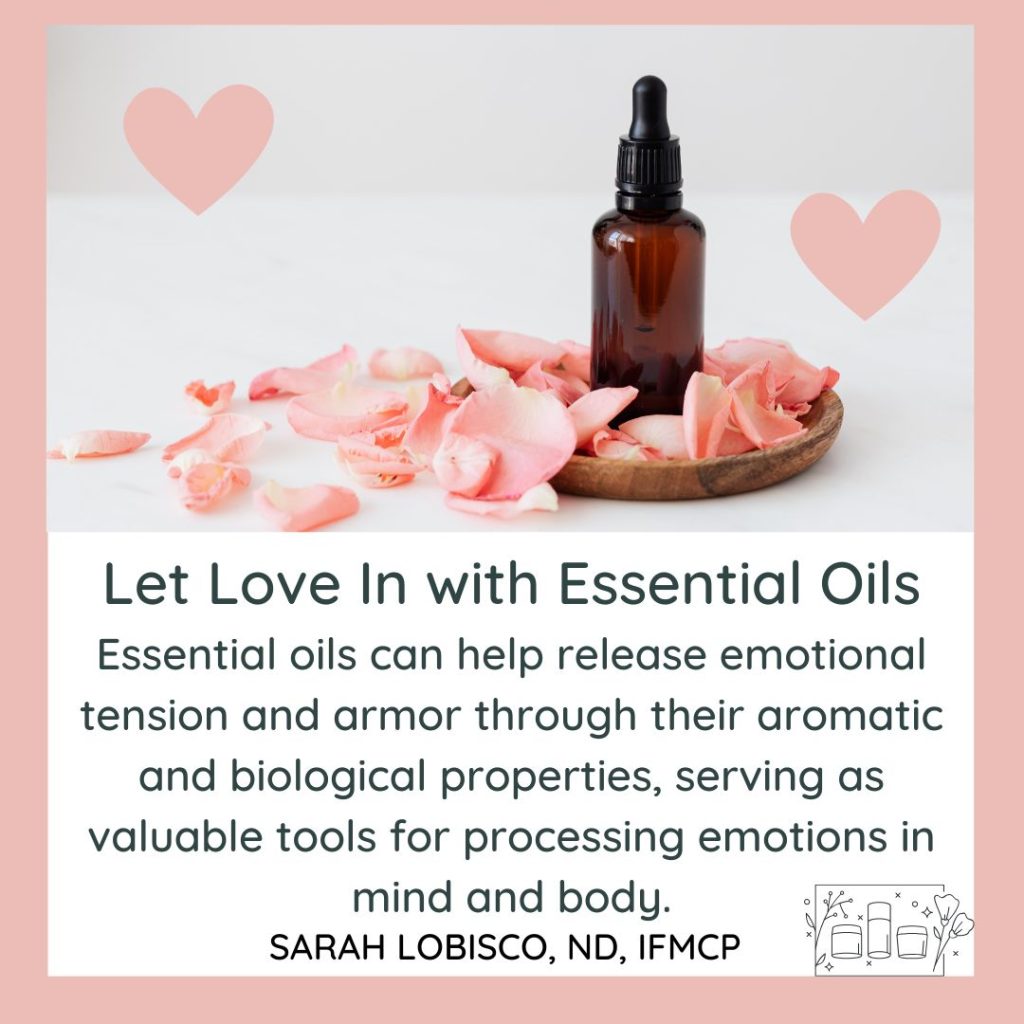
Essential oils can be used as a nourishing and comforting aromatic boost to help us cope with loss and difficult emotions in a healthy way. They are a natural tool to assist our ability to move forward and enhance our enjoyment of the various happening in Saratoga, NY.
In my next vlog, I will continue discussing how essential oils affect brain function and the application of specific oils for symptoms of grief. I’ll also highlight the Aroma Freedom Technique (AFT) for dealing with loss.
Many blessings.
For a more complete list of all things to do this winter in Saratoga, NY, be sure to check out our Winter Guide and explore all the great Kids Events.
Interested in Learning More About Essential Oils?
- Opt-in for my free weekly naturopathic and functional medicine wellness newsletter.
- Grab free resources and more education on essential oils and mind-body wellness here.
- For Health Care Providers: Earn CEU’s From My Course on the Clinical Applications of Essential Oils.
- Learn about my community membership program.
- Join my Essential Oils DIY Recipe Group (Facebook)
Disclaimer: This material is for information purposes only and is not intended to diagnose, treat, or prescribe for any illness. You should check with your doctor regarding implementing any new strategies into your wellness regime. These statements have not been evaluated by the FDA. (Affiliation link.