Renowned for its healing mineral springs, Saratoga continues to attract residents and visitors seeking greater well-being. Spring is an especially inviting time to embrace activities that support holistic health. Our community offers refreshing opportunities for enhancing mental and physical renewal this time of year, whether its walking in Saratoga Spa State Park, reflecting in Congress Park, or enjoying restorative treatments at local spas.
Yet, one essential aspect of well-being is often overlooked: brain health. Your brain shapes your decisions, energy, mood, and focus. This makes it foundational for building lasting healthy habits.
Nutrition is one of the most accessible and powerful ways to support brain resilience. It is a key pillar of brain health, alongside movement, lifestyle factors, mindset, connection, and sensory support.
In this post, we’ll explore how fueling your brain can enhance your daily experiences and overall well-being in our Saratoga community.
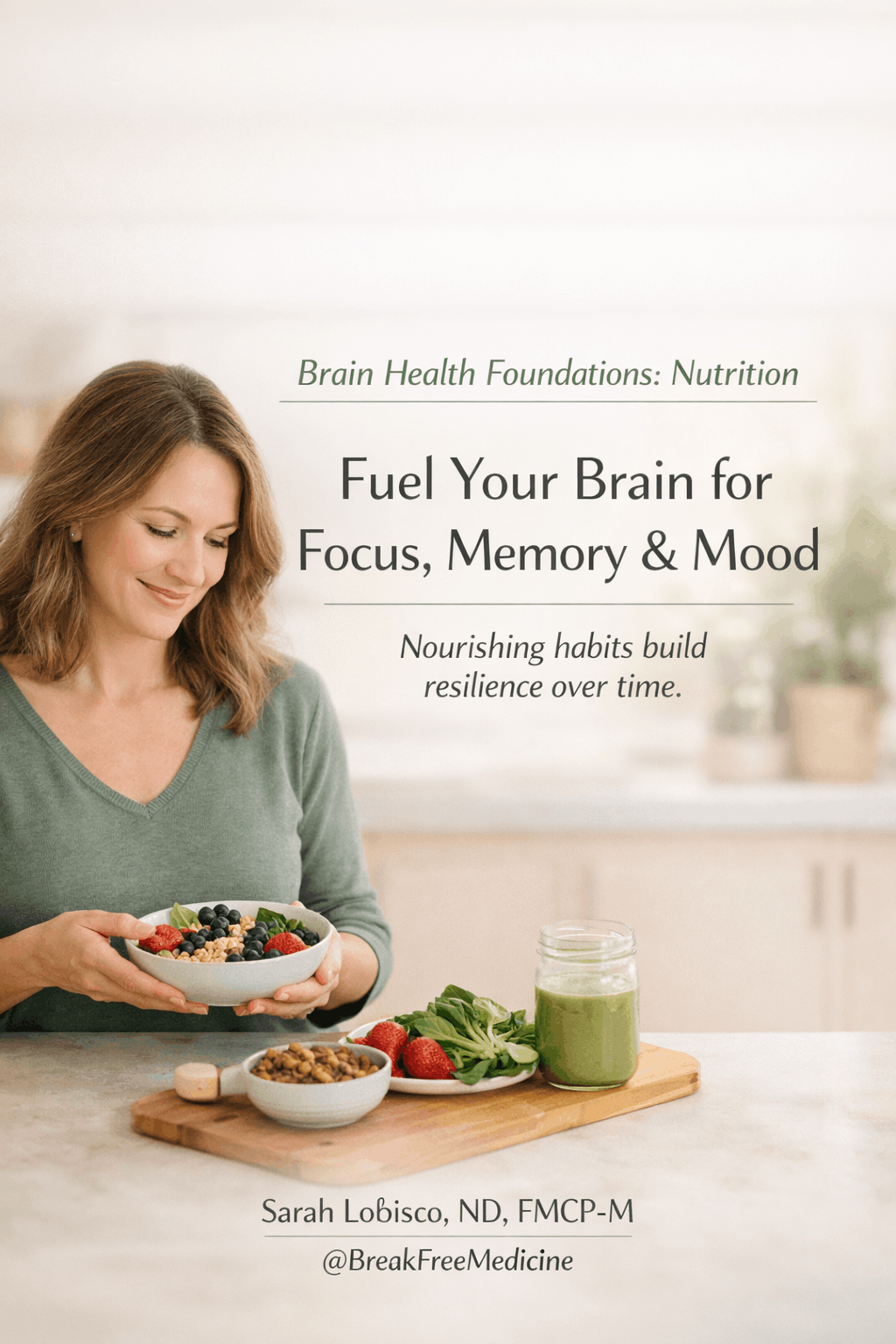
🌿 Nutrition — Fuel Your Brain for Focus, Mood, and Resilience
Because your brain uses about 20% of the body’s energy, the quality of your nutrition directly affects cognitive function, memory, and mood. It does this by supplying the essential building blocks your brain needs for neurotransmitters, hormones, and healthy brain cells.
Below, I provide a summary that highlights essential brain nutrients, their roles, key research findings, and main dietary sources. By understanding what each nutrient can do, you can make choices that gently support your brain function and overall well-being. This isn’t about strict rules or labeling foods as “good” or “bad.” It’s about learning how everyday choices can nurture your brain and well-being.
🥑 Key Nutrients That Support Cognitive Function
1. Omega-3 Fatty Acids
- What they are: Essential fats your body can’t make on its own, important for heart, brain, and overall cell health.
- How they help you rbrain: Long-chain omega-3s like EPA and DHA can help maintain healthy nerve cells, support smooth communication between neurons, and promote mood balance.
- What the research shows: Studies suggest that omega-3s can improve attention, processing speed, and working memory.
- Sources: Wild-caught salmon, sardines, walnuts, flaxseeds, and chia seeds.
2. Polyphenols and Antioxidants
- What they are: Natural compounds in plants that act as antioxidants, helping protect cells from damage.
- How they help your brain: They can support brain health by reducing oxidative stress and inflammation, which are linked to cognitive decline.
- What the research shows: Evidence indicates that foods rich in polyphenols, like berries, dark chocolate, and colorful vegetables, can support memory, learning, and overall brain function.
- Sources: Blueberries, strawberries, dark leafy greens, bell peppers, and dark chocolate (70% cacao or higher).
3. B Vitamins
- What they are: A group of water-soluble vitamins that help your body convert food into energy and support brain and overall metabolism.
- How they help your brain: Folate, B6, and B12 can help maintain healthy blood vessels and support neurotransmitter function, which influences mood and cognitive performance.
- Where to get them: Leafy greens, eggs, legumes, fortified cereals, and quality animal proteins.
🥗 Additional Supportive Brain Nutrients
Alongside the main nutrients crucial for brain health, several others play supporting, yet essential roles. These include:
- Protein for neurotransmitters: Adequate protein supports the synthesis of serotonin, dopamine, and acetylcholine, which influence mood, motivation, and learning. Including eggs, legumes, nuts, seeds, or lean meats in your meals can help keep your brain functioning at its best.
- Hydration: Even mild dehydration can affect attention and memory. Drinking water or herbal teas throughout the day can help your brain stay alert and focused.
- Gut-brain connection: Fermented foods like yogurt, kefir, kimchi, or miso help support a healthy gut microbiome, which in turn influences neurotransmitter production in the gut and cognitive function. Adding one serving a day can be beneficial.
- Additional Vitamins and Minerals: Nutrients like magnesium, zinc, and vitamin D can support brain health in various ways. Including a variety of whole foods can help ensure your brain gets what it needs.
🍽 Practical Tips for Daily Brain Nutrition
Incorporating brain-supportive foods doesn’t have to be complicated. Bite-sized, enjoyable habits can make a noticeable difference in focus, mood, and overall well-being:
- Morning boost: Add a handful of berries or walnuts to oatmeal, yogurt, or a smoothie to enhance cognitive function.
- Midday nourishment: Enjoy a colorful salad with leafy greens, vegetables, and a protein source. This can help sustain energy and attention through the afternoon.
- Hydration and mindful pauses: Sip water or herbal tea consistently throughout the day, and pair snack breaks with a moment of presence.
- Steady energy: Combining complex carbohydrates with protein and healthy fats can prevent energy spikes and crashes, helping your brain stay focused and resilient.
Over time, these gentle, everyday habits can support sharper thinking, more balanced moods, and a resilient brain that helps you make healthier choices with ease.
💌 Your Brain Takeaway This Week
Pick one small habit in the nutrition category to try this week. Examples include:
- Adding berries, nuts, or a protein-rich food to a meal or snack
- Drinking water mindfully throughout the day.
- Including one fermented food on your plate a few times a week to support your gut-brain connection.
Once this feels comfortable, gradually add others at your own pace.
While a brain-healthy diet should always come first, targeted supplements can also play a supportive role by helping fill nutrient gaps and supporting cognitive function when needed. If you’d like guidance on choosing quality options, you can explore my recommended supplements here.
In summary, tiny, consistent, nurturing choices can make a big impact on focus, mood, and how you respond to stress. Over time, you may notice fewer cravings and find it easier to choose nourishing foods. In this way, supporting your brain can enhance your overall wellness experience in Saratoga.
Stay tuned! In upcoming posts, we’ll explore more actionable steps across some the remaining foundations of brain health. Be sure to subscribe so you don’t miss out.
🌱 For more detailed guidance, additional references, and an expanded explanation of how to support brain resilience through nutrition, read my full guide on brain nutrition and resilience here.
💌 Want early insights and updates on my upcoming 4-Pillar Brain Program? Subscribe to my newsletter to get practical strategies and science-backed tips delivered straight to your inbox.
🌿Local Saratoga Resources:
- Saratoga Farmers’ Market – Fresh, seasonal produce for brain-supportive meals.
- Sprouts & Health Food Stores – Organic produce, nuts, seeds, and nutrient-rich staples
- Saratoga Spa State Park Trails – Walking, hiking, and gentle outdoor exercise:
- Saratoga Bike Path & River Walks – Enjoy a scenic stroll or bike ride along the Hudson River
- Saratoga Meditation Centers & Yoga Studios – Guided meditation and mindfulness classes
- Healing Retreats and Wellness Workshops – Small, supportive sessions for stress reduction
- Congress Park Gardens & Saratoga Spa State Park – Natural scenery for mindful sensory pauses
- Nature Walks & Trails – Engage your senses with seasonal sights, sounds, and smells
Disclaimer: This material is for information purposes only and is not intended to diagnose, treat, or prescribe for any illness. You should check with your doctor regarding implementing any new strategies into your wellness regime. These statements have not been evaluated by the FDA. (Affiliation link.)