🧠 When Stress and Anxiety Start Blending Into Daily Life
Saratoga Springs is known for its soothing atmosphere, scenic trails, and opportunities to slow down and recharge. Yet even in such a calming environment, the demands of daily life can still take a toll on our brain and nervous system. Work obligations, family responsibilities, and the ongoing challenge of juggling multiple priorities can affect us both emotionally and physically.
Even in our Saratoga community which values whole-body wellness and the importance of mindful moments, these everyday stressors can accumulate over time, contributing to persistent stress and anxiety. While these states are often discussed together, they reflect distinct patterns within the brain and body.
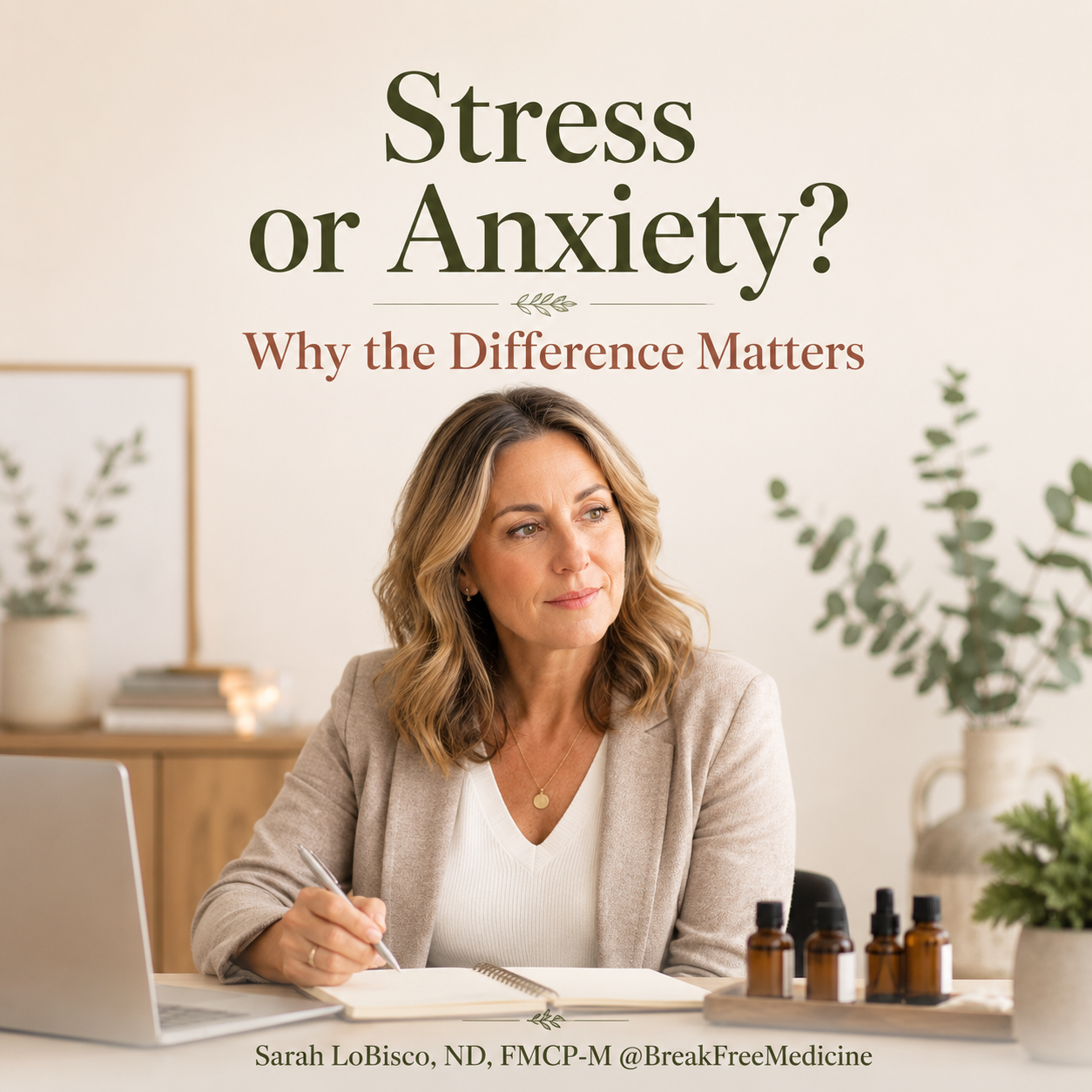
Stress is typically linked to an external challenge, such as an overloaded schedule, a pressing deadline, or a difficult life situation that requires the body to adapt and respond. Once the challenge has passed, the mind and body generally have an opportunity to recover and return to balance.
Anxiety, on the other hand, tends to be more internally driven. It often involves ongoing worry, anticipation, or recurring “what if” thoughts that continue even after the original stressor has resolved. From a neuroscience perspective, anxiety is increasingly understood as prolonged activation of the brain’s threat-detection and prediction networks.
When stress remains ongoing or anxiety is left unaddressed, both can influence sleep, energy, digestion, focus, and mood. Over time, these effects can compound, increasing the burden on the brain, nervous system, and overall well-being.
⚡ When the Nervous System Stays Activated Longer Than Intended
The nervous system is designed to move through periods of activity and recovery. However, when stress continues for weeks, months, or even years, the brain and body begin adjusting to that reality.
This shift rarely happens all at once. More often, it appears in ways that are easy to dismiss at first. For example, you may find it harder to focus on tasks that once felt routine. Perhaps small inconveniences may start to feel disproportionately frustrating. Or, your mind may have trouble settling at the end of the day, even when there’s finally time to relax.
As these patterns continue, the brain can become increasingly accustomed to operating from a state of constant input and demand. This can result in everyday demands feeling more draining than they once did. Tasks, decisions, and responsibilities that were previously easy to manage may require greater effort, while recovery from mental, emotional, or physical stress may take longer than expected.
Over time, repeated exposure to stress can influence how the brain anticipates and responds to future experiences. Rather than returning fully to baseline between stressors, the brain may begin anticipating disruption even when no immediate threat is present. As a result, chronic stress can gradually recalibrate the nervous system toward patterns more commonly associated with anxiety, blurring the line between responding to current demands and preparing for challenges that have not yet occurred.
🔁 Catastrophic Thinking and the Stress Pattern Loop
One of the more common ways chronic stress can show up is through catastrophic thinking, where the mind begins filling in uncertainty with worst-case scenarios. A delayed text message, an unexpected symptom, a change in plans, or an unanswered email can quickly take on greater significance than the situation may warrant.
This does not happen because someone is intentionally thinking negatively. Rather, when the brain has spent extended periods adapting to ongoing stress, it can become more likely to anticipate problems before they occur. In many cases, the mind is attempting to create certainty by predicting what might happen next.
Over time, these thought patterns can reinforce the stress response itself. The more the brain rehearses potential problems, the more familiar those pathways become, making it easier to return to them during future moments of uncertainty. This can create a self-perpetuating cycle in which chronic stress fuels anxious thinking, and anxious thinking further reinforces the experience of stress.
🌿 Neuroplasticity and Why These Patterns Are Not Fixed
Even when these patterns feel familiar or long-standing, they are not permanent. The brain remains adaptable throughout life through neuroplasticity, continuously “rewiring” itself in response to our experiences, environment, and internal state.
This is important because it means that even when the nervous system has been operating in a heightened stress state for a long time, it is still capable of change. With repeated experiences of safety, regulation, and recovery, the brain can begin to shift out of chronic activation and re-establish a more balanced baseline over time.
As these changes take hold, people often notice improvements in emotional steadiness, clearer thinking, and a greater capacity to respond rather than react. These shifts emerge as the nervous system receives new inputs that signal safety and stability more consistently.
🌸 Sensory Pathways and the Role of Aromatherapy
One of the most direct pathways into the brain’s emotional and memory centers is through scent. The olfactory system has close connections to regions involved in emotional processing and stress regulation, which is why aromatherapy is often used within integrative approaches to nervous system care.
Scent can serve as an immediate sensory input that helps interrupt automatic stress responses and re-route our neural pathways to brain areas associated with calm and steadiness. Within a broader wellness framework, “pyschoaromatherpy” is often used alongside lifestyle and mind-body strategies that support mood balance, emotional processing, and resilience.
🌾 A Broader Look at Stress, the Brain, and Recovery
If you’d like to go deeper into these concepts of how chronic stress and anxiety influence brain function, nervous system response patterns, and how neuroplasticity can be used as a therapeutic approach to support brain health, they are explored further in my fully referenced article.
My article also expands on integrative methods that can support nervous system regulation, including mind-body practices and the role of sensory tools like aromatherapy within naturopathic and functional medicine care.
Additionally, I offer the opportunity for more structured guidance in my Brain Health Reset Program. This builds on these principles and offers practical solutions to enhance mood, emotional regulation, cognitive function, and nervous system resilience.
👉 You can read full article and learn more about the Brain Health Reset Program here.
🌱 Supporting the Nervous System in Everyday Saratoga Life
In Saratoga, where busy schedules, seasonal transitions, active lifestyles and wellness priorities often overlap, knowledge of how stress and nervous system resilience affects our overall physical and emotional health is essential.
Many are aware of how sleep, nutrition, movement, time outdoors, and mindful pauses throughout the day can enhance how our nervous system adapts to ongoing demands. Other integrative tools like aromatherapy and consistent routines that support our individuality are also helpful.
Incorporating the foundations of health with intentional moments of recovery can aid the mind and body to regain flexibility after periods of being in a heightened state of activation. Rather than staying locked in stress, the system becomes more capable of returning toward balance, even in the midst of ongoing life demands. This is true resiliency.
Read the full article for a deeper look at how these patterns develop, how the nervous system adapts and shifts, and additional resources for healthy ways to cope with stress and anxious thoughts.
🌱 Saratoga Wellness Resources
Calm your brain and body with these local resources.
- Enjoy these peaceful activities as ways to unwind around Saratoga
- Experience Saratoga’s mineral baths and spa services
- Revitalize with the many services at the Roosevelt Baths & Spa
- Visit the healing mineral springs of Saratoga.
- Emerge yourself in nature along Saratoga’s hiking trails
- Discover the Saratoga State Spa Park’s biking and walking trails
💌 Stay Connected
If you enjoy exploring topics related to brain health, nervous system regulation, essential oils, and integrative wellness, you can subscribe to my newsletter for future articles, research updates, and upcoming educational resources.
Disclaimer: This material is for information purposes only and is not intended to diagnose, treat, or prescribe for any illness. You should check with your doctor regarding implementing any new strategies into your wellness regime. These statements have not been evaluated by the FDA. (Affiliation link.)