Mitchell B. Muroff, Esq., Founder, Muroff Hospitality Group
As we look ahead to 2026, the hospitality industry enters the year on far more stable footing than many anticipated just a few years ago. While 2025 was marked by moderation rather than acceleration, it ultimately proved to be a year of normalization—one that set the stage for measured, sustainable growth rather than speculative excess.
Nationally, 2025 saw travel demand remain resilient despite higher interest rates, inflationary pressures, and continued labor challenges. Leisure travel continued to outperform expectations, particularly in drive-to markets and experience-based destinations. According to STR data, a CoStar company, occupancy stabilized across most U.S. markets, average daily rates held firm, and revenue per available room posted modest but consistent gains. Importantly, hotel fundamentals remained strong even as transaction volume slowed, reflecting a market adjusting to higher capital costs rather than weaker demand.
As we move into 2026, national forecasts from major hospitality analysts such as CBRE and JLL point to continued incremental growth rather than dramatic swings. New hotel supply remains constrained due to elevated construction costs and financing hurdles, which is expected to support pricing power for existing assets. At the same time, easing inflation and the potential for lower interest rates later in the year could help unlock transaction activity that has been sidelined since mid-2023. Investors are increasingly focused on well-located, operationally sound assets with clear paths to efficiency and modest value-add, rather than large-scale redevelopment or speculative growth.
For the Northeast—particularly New York and New England—the outlook for 2026 is especially encouraging. The region benefits from a dense population base, strong seasonal tourism, and a growing preference for regional travel over long-haul destinations. Unlike gateway cities that rely heavily on international travel or large convention demand, many Northeast markets are driven by leisure travelers, outdoor recreation, weddings and events, and repeat visitation—segments that have proven durable through multiple economic cycles.
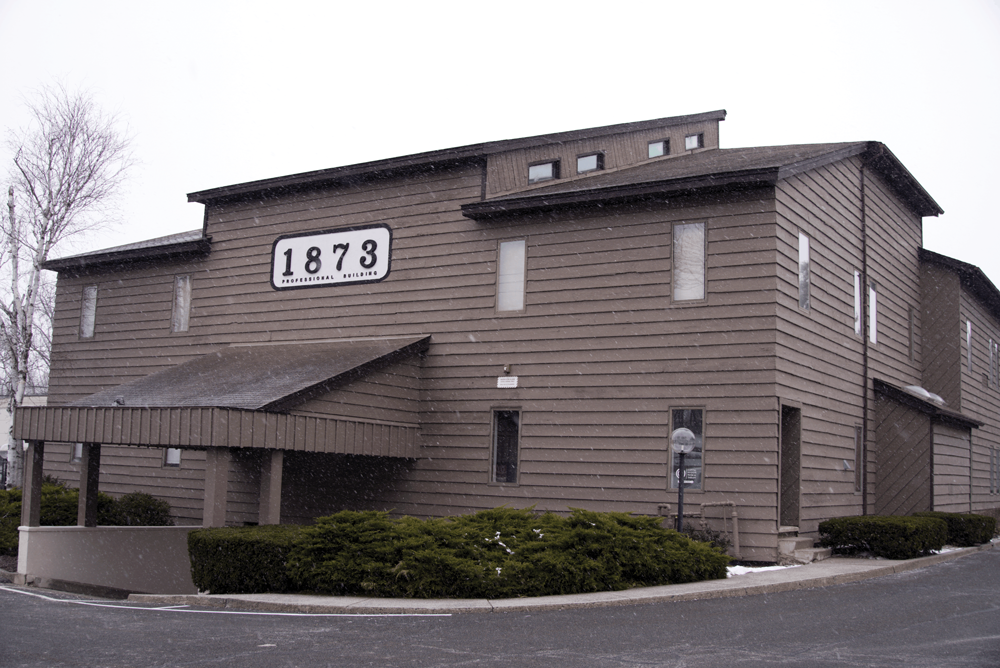 Southern Adirondack Independent Living announced the expansion of its services in the Capital Region with the opening of a new Albany County office at 1873 Western Ave., strengthening the organization’s presence across New York’s North Country and Capital Region.
 by Ann Donnelly
 Late last year, Warren County officials disclosed that more than $3 million was mistakenly sent from the Treasurer’s Office after staff fell victim to a phishing scam. Two routine wire payments believed to be legitimate vendor transactions were redirected to fraudulent accounts.
 By Paul Post