Courtesy of Witt Construction
By Rod Bacon
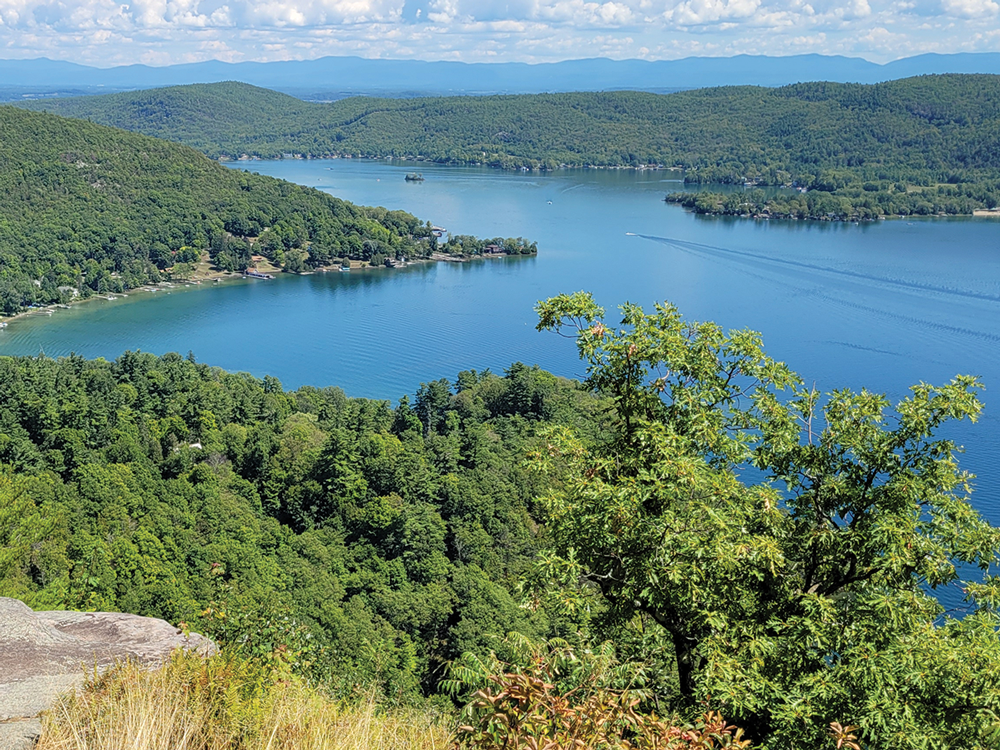
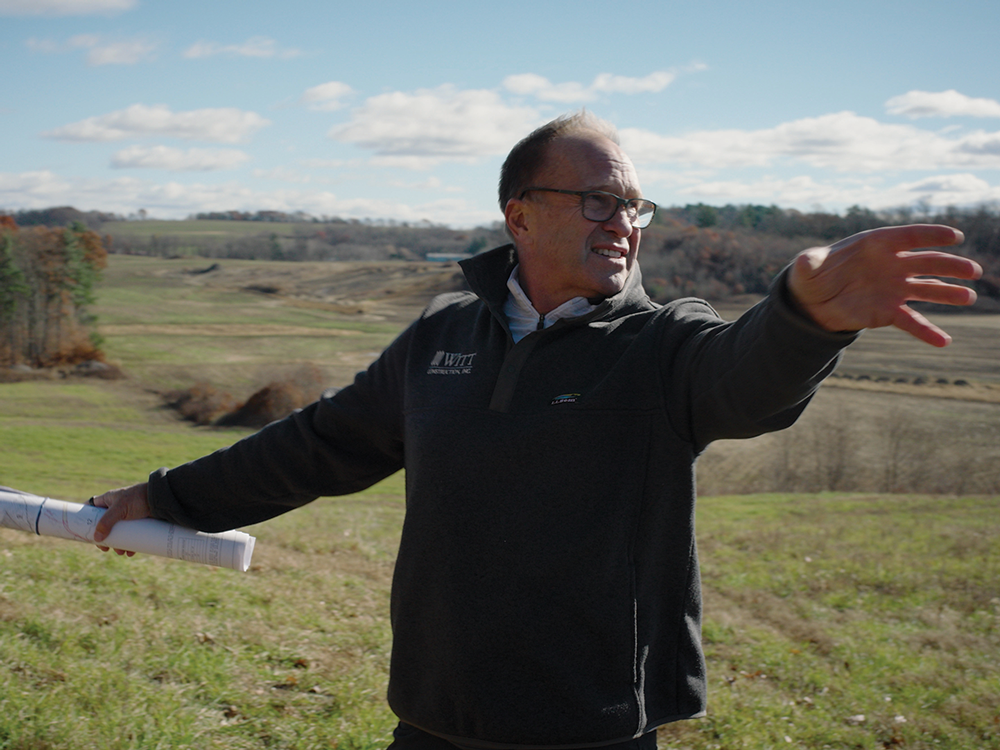
After an 11-year planning, engineering and permitting process, site work is underway on Phyllian’s Bluff, a 31-lot development being built by Witt Construction.
O’Connor Construction, of Glens Falls, is approximately one-third of the way to completion of earth work, road construction, underground utilities, and sewer installation.
According to President Pat O’Connor, the company is installing two roads that end in cul-de-sacs. They will also install a sewer line along NY-9P that will tie into the development’s sewer system via County Route 71. Finally, they will pave all roadways.
An important aspect of the earth work is the installation of storm drainage, on which the company is currently working. To prevent storm runoff from polluting Saratoga Lake, each homesite will have what is referred to as a rain garden or depression area that will filter the water back into the soil, preventing it from running downhill. In addition, the roads will have an elaborate system of independent catch basins that allow water to flow into other catch basins so it can slowly filter into the ground.
O’Connor Construction started this work in September and estimates it will be completed this summer.