
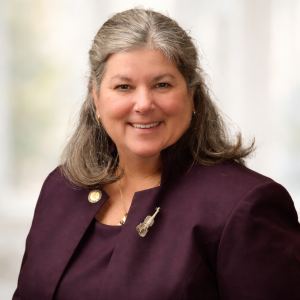
By Assemblymember Carrie Woerner, 113th Assembly District
When asked to offer my perspective on trends in New York’s economy, I will say upfront that I am bullish on New York’s economy, and on our part of the Upstate economy particularly. Which is not to say that there are not challenges we must confront and solve, but I am convinced that we have the necessary mix of talent, energy and commitment among the private and public sector to realize the potential that is 2026.
The groundwork was laid for growth in 2026 with significant private sector investments in semiconductor and biomedical manufacturing, supply chains, and logistics. Traditional industries like agriculture are also seeing investment with Chobani’s plans to construct a significant new production plant requiring milk from 1500 more cows that we currently have in the state. Tourism remains a strong component of the upstate economy, and certainly Saratoga Springs and Lake George both had strong summer seasons. The start of the 250th Commemoration of our nation’s founding will drive heritage tourists to our area. While we don’t yet have the statistics for 2025, the number of small business openings exceeded the number of closings in 2024; as small businesses are the source of 98% of jobs statewide, this is a truly positive sign that our economy is strong. In last year’s state budget, the Legislature and the Governor allocated funds to pay off the residual pandemic unemployment insurance debt to the federal government. That change is anticipated to save businesses about $250 per employee this year – dollars that businesses can now invest in growing their business.
Good paying jobs, in growth industries, makes our part of the state a highly desirable place to work; low property taxes, recreation, good schools, and entertainment make it a highly desirable place to live. Yet, attainable housing, particularly for young people just starting out in the workforce and for the people who work in service jobs in our hospitals, nursing homes, restaurants, and schools, remains elusive. Apartment projects, including affordable apartment projects in Saratoga Springs and Glens Falls, are filled as soon as they are constructed. And rents keep going up, pricing many out of the market and forcing them to move further from their employer. This has been a long-term problem, and one that I believe must be addressed, as it impacts the ability of employers to fill open positions, and if allowed to continue, will ultimately limit our region’s economic capacity.
Residential and industrial development requires reliable and affordable energy, in adequate supply. To meet the needs of our growing region, we need to embrace a common sense and comprehensive energy strategy. Policy choices that drive up demand for electricity must consider the impact on reliability that the resulting increase in demand will have. And while future technological innovation will make appliances like air source heat pumps truly efficient and effective in the stretches of a deep freeze that we often experience, today’s electric heating technology falls short of the mark, in terms of cost and efficiency. I will be advocating in the legislature to recalibrate our state’s approach to reducing greenhouse gases and other emissions to ensure adequate supply of reliable and affordable energy, as well as a cleaner environment.
We need to continue to invest in workforce development programs that support the industries that are finding a home in New York and in the Capital Region. Community colleges like SUNY Adirondack and Hudson Valley Community Colleges are key, as are the BOCES and apprenticeship programs offered by the skilled trades. Without enough skilled workers, we will have a hard time continuing to attract and retain growth businesses.
In summary, I think the economic outlook for New York’s Capital Region is positive. Past investments have provided the conditions for continued strong growth. While there are some challenges that must be addressed, I have confidence that working collaboratively with the leaders in the private and public sector can solve those challenges.